
The Temple House

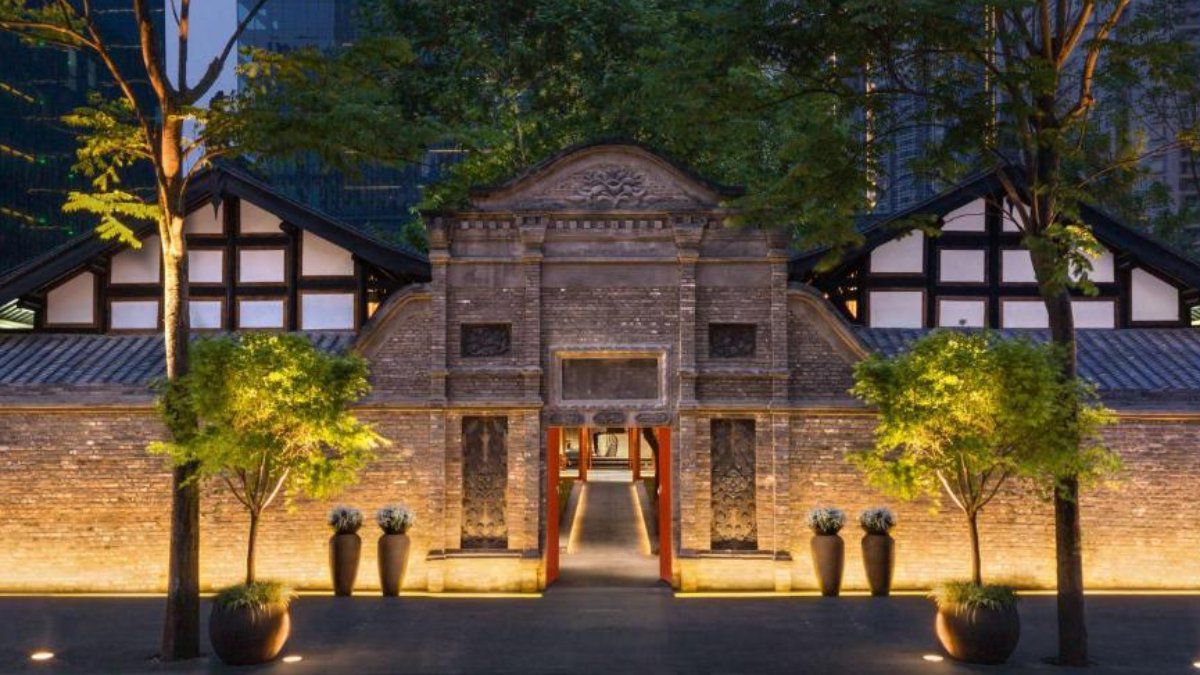
“Enter through a restored Qing dynasty courtyard to find a modern hotel integrated with the city's vibrant retail hub.”

Our Review

Sense of Place & Arrival

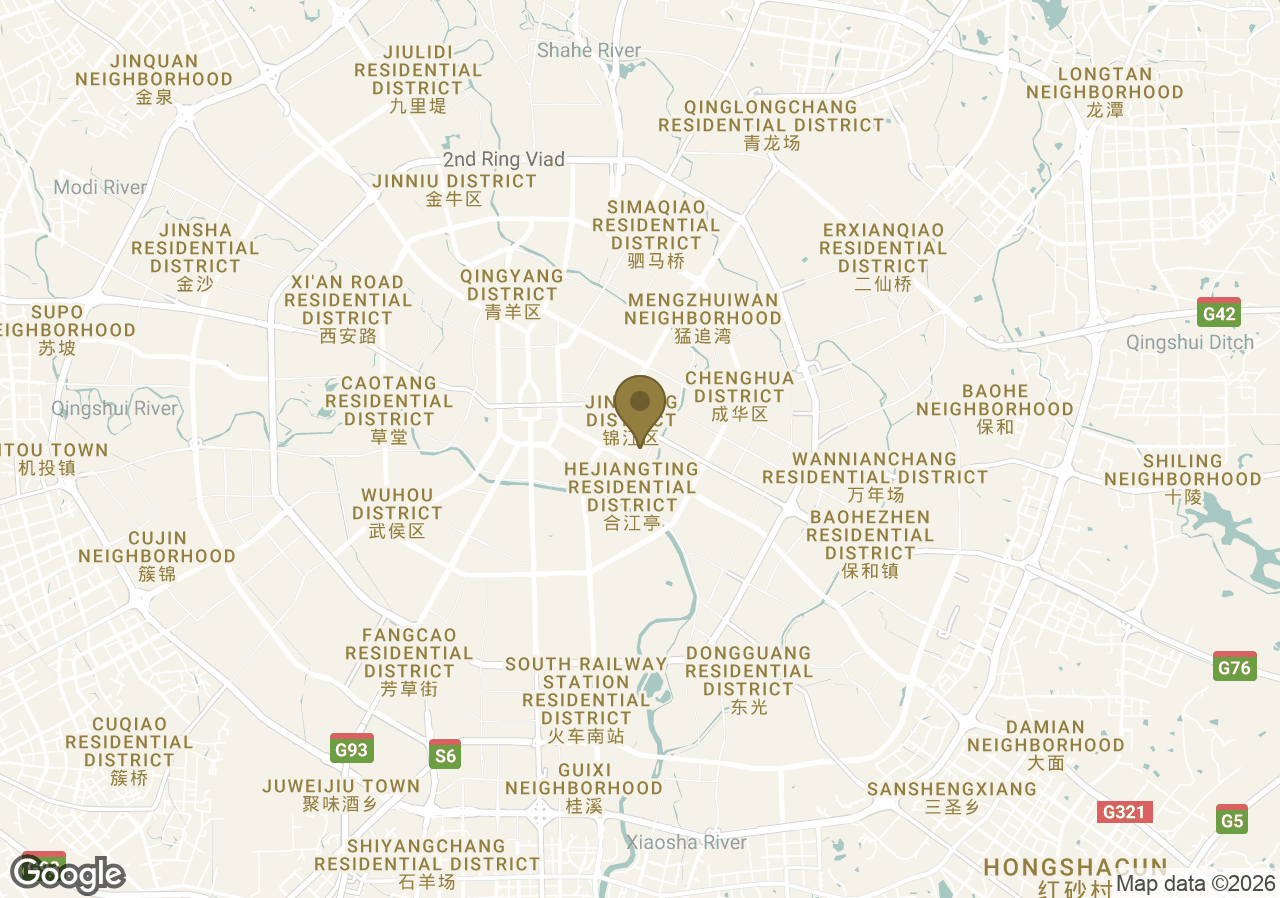
The Temple House is folded into the lanes of Taikoo Li Chengdu, a contemporary open-air retail village built around the historic Daci Temple precinct. Arrival feels theatrical yet calm: you pass through a restored Qing-dynasty siheyuan courtyard, lanterns glowing overhead, and step into a hushed reception that opens onto landscaped walkways and low-rise pavilions. Despite the central address, the transition from the bustle outside to the courtyard’s bamboo, brick and stone creates a genuine pause. This balance—old masonry and modern lines, temple heritage and urban energy—sets the tone for a stay that is as much about Chengdu’s past as its present.

Design & Accommodation

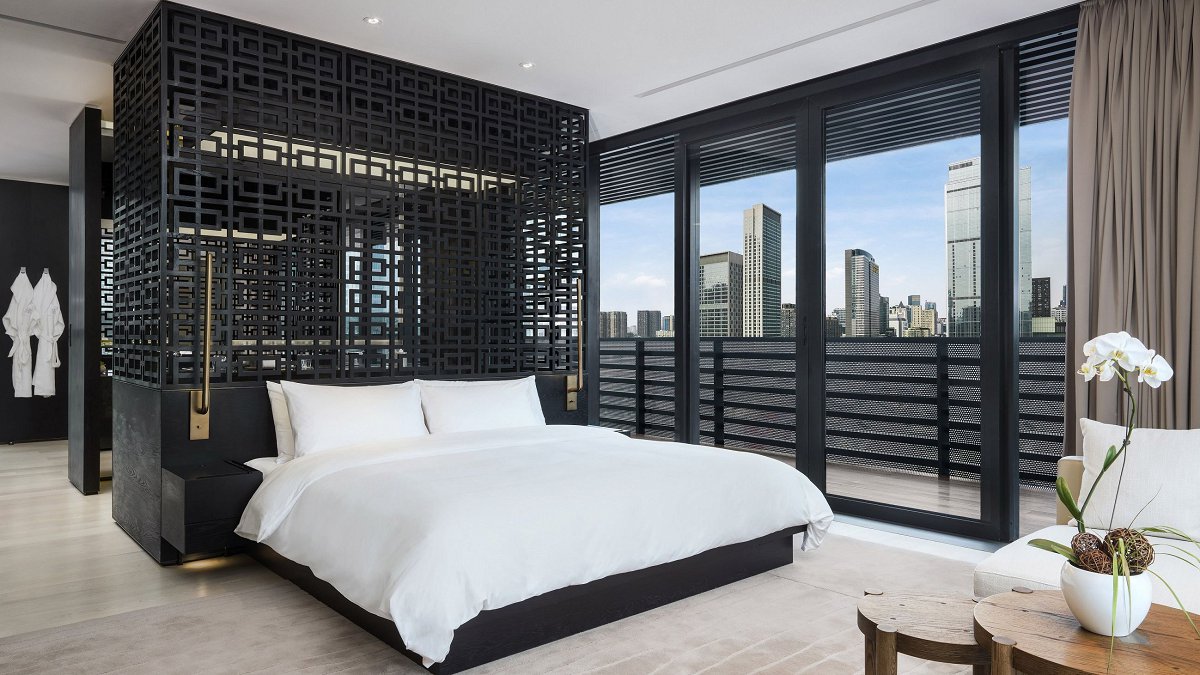
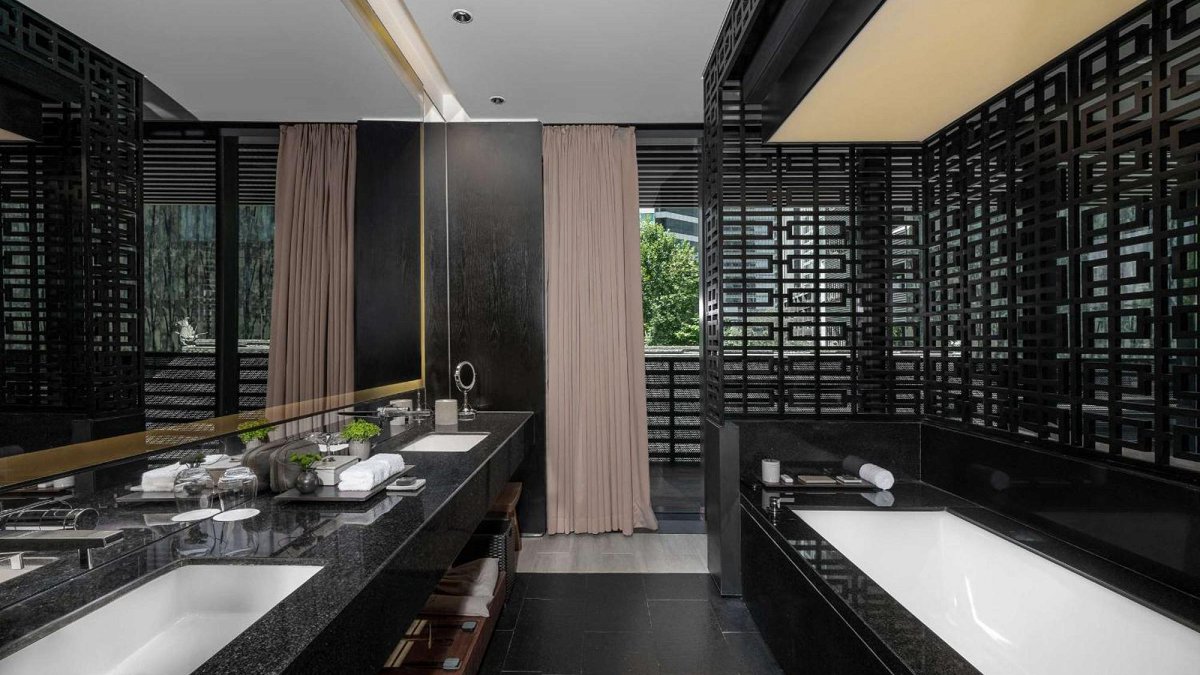
Conceived by Make Architects, the complex frames a sequence of courtyards with two L-shaped mid-rise wings, giving the property a horizontal, residential scale. The façade’s woven motifs nod to Sichuan brocade, while interiors lean minimalist: dark timbers, stone, and clean joinery soften the abundant glass. Beyond the heritage entry, the accommodation occupies sleek towers with 100 rooms and 42 residences, a mix that suits both short urban breaks and longer Chengdu immersions. Rooms prioritize generous circulation—walk-in showers, soaking tubs set behind screenwork, long worktops—and the brand’s signature Complimentary Maxi Bar (non-alcoholic beverages and snacks) is a thoughtful touch that encourages you to settle in rather than head straight back out.

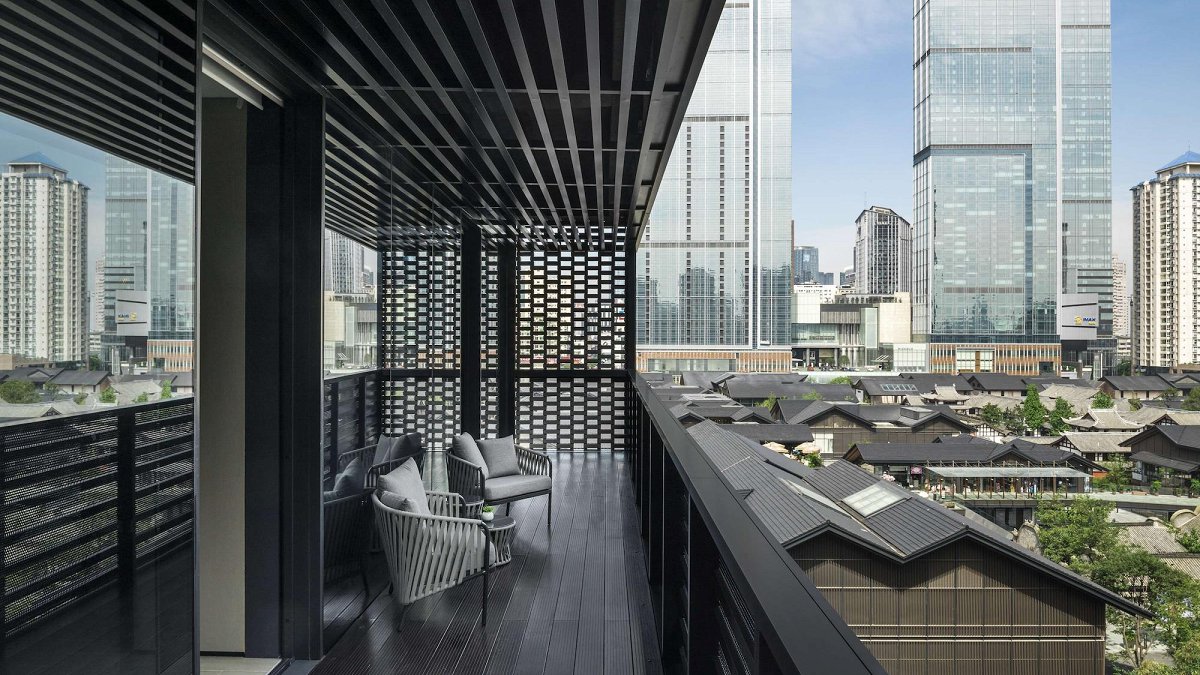
Views vary between inner courtyards and the Taikoo Li skyline, but the aesthetic discipline is consistent: lighting is warm and layered, storage is ample, and technology is neatly integrated so the space still reads as a retreat. It’s a quietly luxurious approach that favors tactility and proportion over flash.

Dining

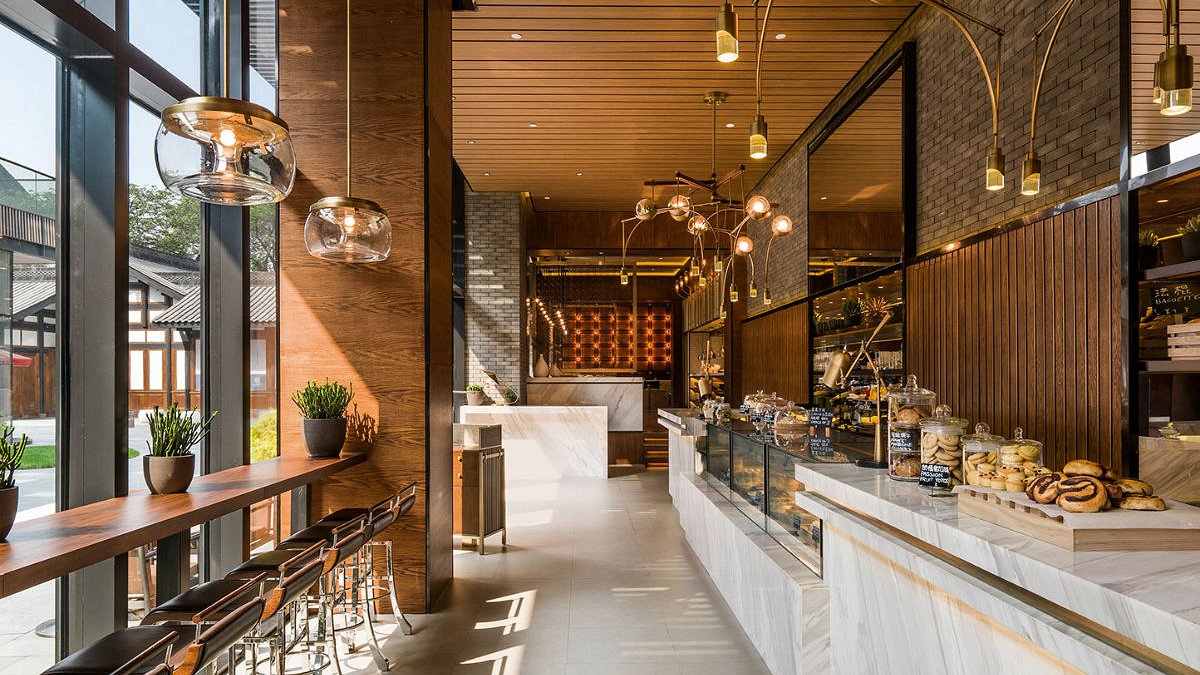
Culinary options are a strong suit. Mi Xun Teahouse, a vegetarian dining room set beside the spa, has earned one MICHELIN star and Chengdu’s first MICHELIN Green Star for its produce-led, sustainability-minded kitchen—proof that refinement here doesn’t rely on meat or excess. For Italian, Tivano delivers handmade pastas and wood-fired signatures in a contemporary room that opens to a garden terrace; it’s recognized by the MICHELIN Guide and draws both guests and locals. All-day needs are met at The Temple Café, where a semi-buffet breakfast pairs a compact hot à la carte with quality pastries and juices; later in the day, the bistro format shifts to easy salads, plates, and a grab-and-go counter for city days that start early and finish late.

Evenings tend to migrate to JING, the hotel’s cocktail bar, which leans into Chengdu’s after-dark rhythm with well-made classics and a lively patio. The overall program feels integrated—venues are distinct yet connected by scale, service cadence, and a preference for clean flavors over heavy richness.

Wellness & Facilities

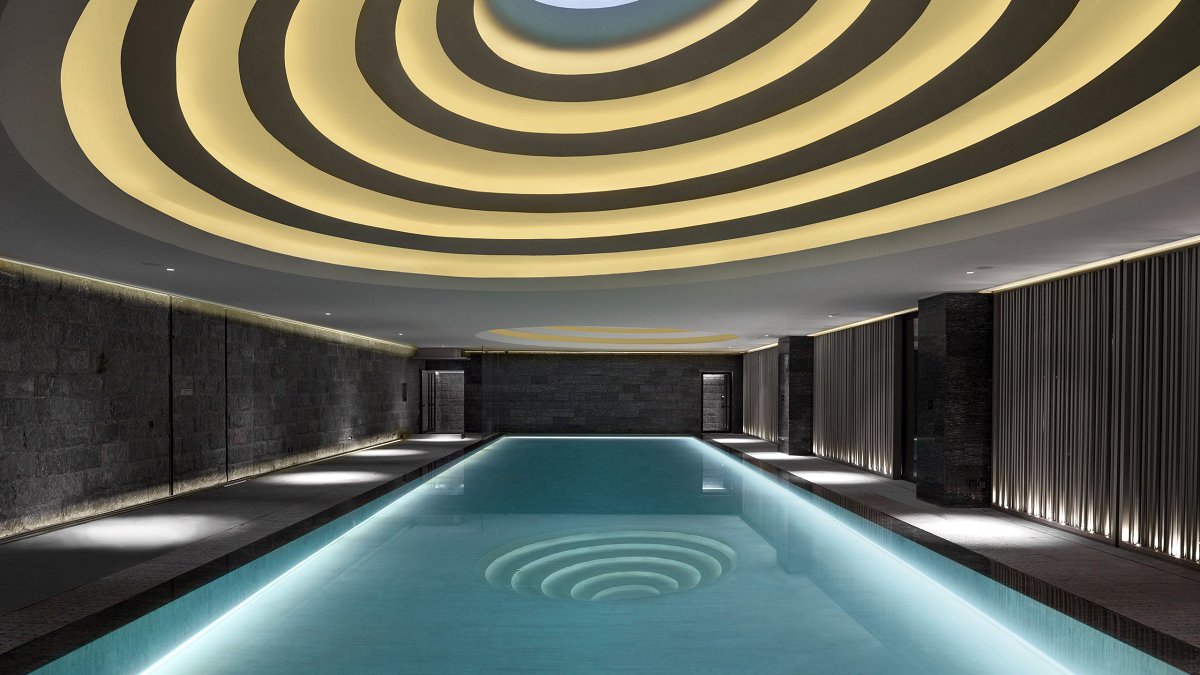
Below ground, a sculptural, skylit 25-metre heated indoor pool anchors the wellness wing, with steam and sauna rooms nearby and a compact Technogym-equipped fitness studio. Treatments at Mi Xun Spa blend Chinese techniques with modern therapies; the setting, across from the teahouse, makes pre- or post-treatment infusions feel part of the ritual rather than an add-on. Programming such as weekend yoga and occasional art collaborations extends the “urban sanctuary” idea beyond a single facility, while the location means Chengdu’s teahouses, hotpot institutions, and the panda base are easy to fold into a balanced itinerary.

Verdict

Rooted in heritage but unmistakably contemporary, this property succeeds because it edits rather than overwhelms. Architecture and landscape are purposeful, rooms are serene and functional, and dining has clear points of view—from Mi Xun Teahouse’s decorated vegetarian cuisine to Tivano’s polished Italian and the easygoing rhythm at The Temple Café. Add a generous pool, capable spa, and that central Taikoo Li address, and you have an urban retreat that invites you to slow down without stepping away from Chengdu’s energy. For travelers who value design integrity, thoughtful food, and location, the accommodation earns a confident recommendation.

Select Amenities & Features

Free Wi-Fi Free Wi-Fi
Swimming pool Swimming pool
Yoga Yoga
Spa & wellness Spa & wellness
Fitness centre Fitness centre
Room service Room service
Laundry & dry cleaning Laundry & dry cleaning
Airport transfer Airport transfer
Pets allowed Pets allowed
Bar Bar
Restaurant Restaurant

Please note: This is not an exhaustive list of amenities.

Location

How to Get There

By Air
  • (TFU) Chengdu Tianfu International Airport: main international gateway; ~1–1.5 hours by road (≈70 km).
  • (CTU) Chengdu Shuangliu International Airport: closer regional and international airport; ~30–50 minutes by road (≈20 km), traffic dependent.
By Train
  • Chengdu East Railway Station: primary high-speed rail hub; ~25–30 minutes by car (≈12 km).
  • Chengdu South Railway Station: major station; ~20–25 minutes by car (≈9 km).
  • Chengdu Railway Station (North): main city station; ~15–20 minutes by car (≈6 km).

Note: Travel times are approximate and may vary with traffic and season.

Nearby Places & Attraction

Daci Temple & Taikoo Li Complex
  • Ancient Buddhist temple dating to the Sui Dynasty, now adjacent to a modern lifestyle complex with shops, cafes, and courtyards.
  • Distance: ≈250-400 m
  • Mode: Walk; ~3-5 min
  • Best time: Morning for temple tranquility; afternoon/evening for shopping
Chengdu Research Base of Giant Panda Breeding
  • World-renowned conservation facility with over 200 pandas, including cubs, in naturalistic bamboo habitats.
  • Distance: ≈15 km
  • Mode: Taxi or car; ~30-40 min (traffic dependent); or metro Line 3 + bus; ~50 min
  • Best time: Early morning (8:00-10:00 AM) when pandas are most active and feeding
  • Tip: Arrive before 9 AM to avoid crowds and see pandas before their midday nap.
Wuhou Shrine & Jinli Ancient Street
  • Memorial temple honoring Zhuge Liang and Liu Bei from Three Kingdoms period, adjacent to a 550-meter restored Qing-style street with food stalls and handicrafts.
  • Distance: ≈3-4 km
  • Mode: Taxi; ~15-20 min; or metro Line 3 to Gaoshengqiao
  • Best time: Afternoon for shrine; evening for Jinli's lantern-lit atmosphere
Kuanzhai Alley (Wide and Narrow Alleys)
  • Three parallel Qing Dynasty alleys with restored courtyards, teahouses, Sichuan snack vendors, and boutique shops blending old Chengdu with modern cafes.
  • Distance: ≈3 km
  • Mode: Taxi; ~15 min; or metro Line 4 to Kuanzhai Xiangzi station
  • Best time: Late afternoon or evening; weekdays are less crowded
Chunxi Road Pedestrian Street
  • Chengdu's main commercial hub with department stores, international brands, local specialty shops, and abundant street food.
  • Distance: ≈1 km
  • Mode: Walk; ~10-15 min
  • Best time: Afternoon/evening; open until late
Leshan Giant Buddha
  • UNESCO World Heritage Site featuring a 71-meter Tang Dynasty Buddha carved into a cliff face at the confluence of three rivers—the world's tallest pre-modern statue.
  • Distance: ≈120-140 km
  • Mode: High-speed train from Chengdu East; ~1 hour, then bus; ~30 min; or car; ~2 hours
  • Best time: Spring (Mar-May) or autumn (Sep-Nov); avoid Golden Week (early Oct)
  • Tip: Arrive early to avoid stair queues; boat tours offer distant views without climbing.

General Tip: Chengdu's humid subtropical climate means summers are hot and humid—carry water and avoid midday heat. Metro stations have English signage; download a translation app for taxi drivers, as English is limited outside major hotels.

Seasonality Overview

Peak
  • Mar–May and Sep–Oct are mild, comfortable for city exploring.
  • High visitor interest; central hotels often busier on weekends.
Super-peak
  • Late Jan–Feb Lunar New Year brings very intense domestic travel.
  • Oct 1–7 Golden Week sees very heavy crowds and hotel demand.
Shoulder
  • Jun and Nov are transition months with changeable rain and clouds.
  • Moderate visitor levels; some added flexibility in room availability.
Low/Off
  • Dec–Feb outside major holidays are colder, damp, and quieter.
  • Lower citywide demand; key attractions generally less crowded than peak.

Note: Month windows are indicative and may change year to year.

Other Information

Theme: Heritage, Urban
Check-in time: After 2:00 PM
Check-out time: Until 12:00 PM
Number of rooms: 142

Explore More Hotels

Banyan Tree Lijiang

Yunnan, China

Rosewood Beijing

Beijing, China

Amanyara

Providenciales, Turks and Caicos Islands

Amankora Bumthang

Bumthang, Bhutan