The Ritz-Carlton Kyoto

“Guest rooms feature floor-to-ceiling windows with direct views of the Kamo River and Higashiyama mountains.”

Our Review

Setting & Sense of Place

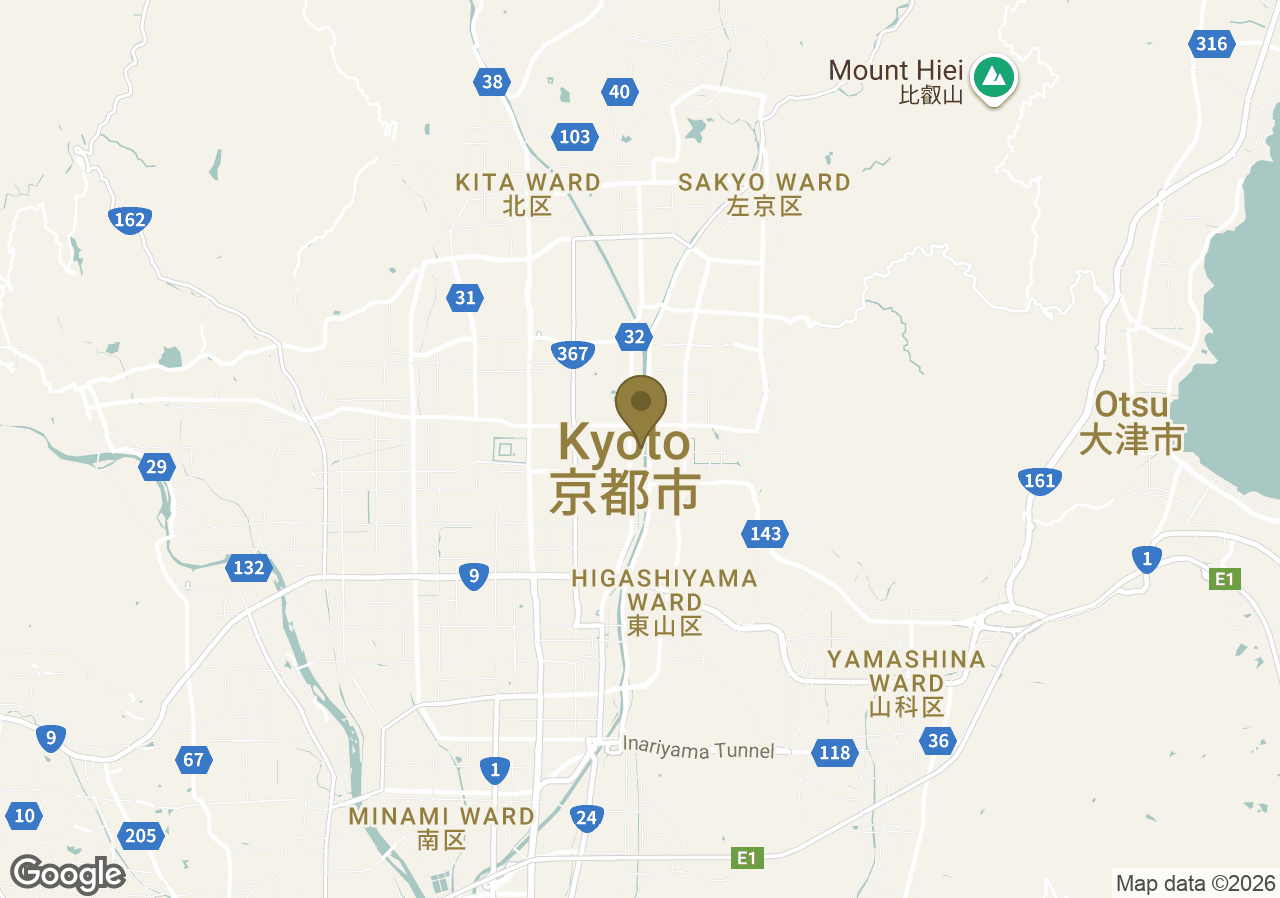
Set beside the Kamogawa River with views toward Higashiyama, The Ritz-Carlton, Kyoto balances urban convenience with a quietly residential feel. The lobby’s refined lines, natural stone and soft lighting establish a mood that is unmistakably Kyoto: understated, crafted, and attentive to seasonal change. From here, the city’s essential experiences—narrow alleys, riverside paths, and calm temple precincts—begin moments from the door, so days naturally alternate between exploration and retreat.

What distinguishes this property is how it layers tradition into a contemporary frame. Flower arrangements and artworks nod to local artisanship, while river-facing corridors and lounges capture a sense of flow. It feels like a modern townhouse complex rather than a monolith, which suits Kyoto’s scale and pace.

Rooms & Design

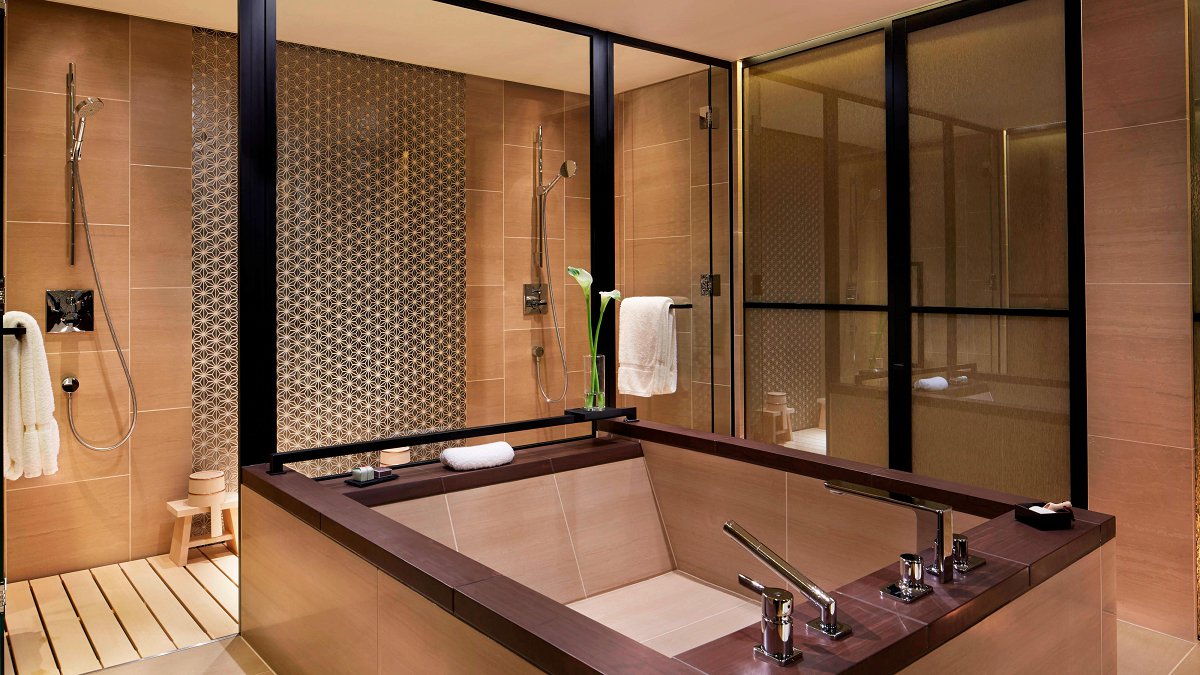
Guest rooms lean into warm woods, tactile fabrics, and minimalist detailing that keeps sightlines clean and restful. Many spaces frame the water and hills; others center on tranquil inner views. Bathrooms are generously proportioned, with deep soaking tubs and considered amenities that encourage unhurried routines. Storage is discreet, lighting intuitive, and acoustics well controlled, making the rooms as practical as they are serene.

Small touches—tea sets ready for a quiet brew, thoughtfully placed seating by the window—encourage lingering. The look is contemporary, yet the palette and textures echo Kyoto’s townhouses and gardens, so you return from the city to a space that still belongs to it.

Dining Highlights

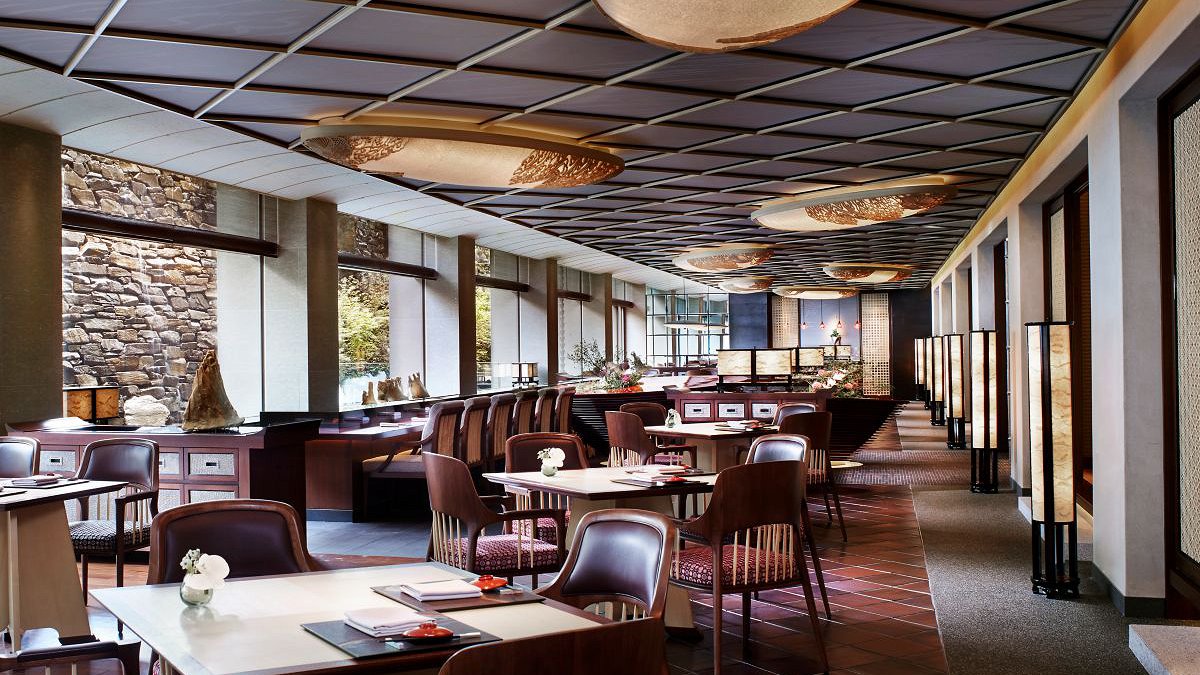
Dining spans Japanese classics and European comfort, anchored by Mizuki, where four distinct counters showcase kaiseki, sushi, tempura, and teppanyaki. The division is more than theatrical; it lets each culinary craft stand on its own, from feather-light batter to precise knife work. For a change of tempo, La Locanda serves Italian dishes in a setting that blends contemporary elegance with historical Kyoto architecture.

For a singular evening, the eight-seat Chef’s Table by Katsuhito Inoue reimagines seasonal Kyoto through an intimate progression of courses inspired by the city’s “micro-seasons.” The experience pairs textured plating with garden-like table design, heightening a sense of place without tipping into gimmick. Sweet finishes come via the on-site PIERRE HERMÉ PARIS Boutique, whose patisserie provides a polished counterpoint to the more traditional flavors found elsewhere.

Wellness & Facilities

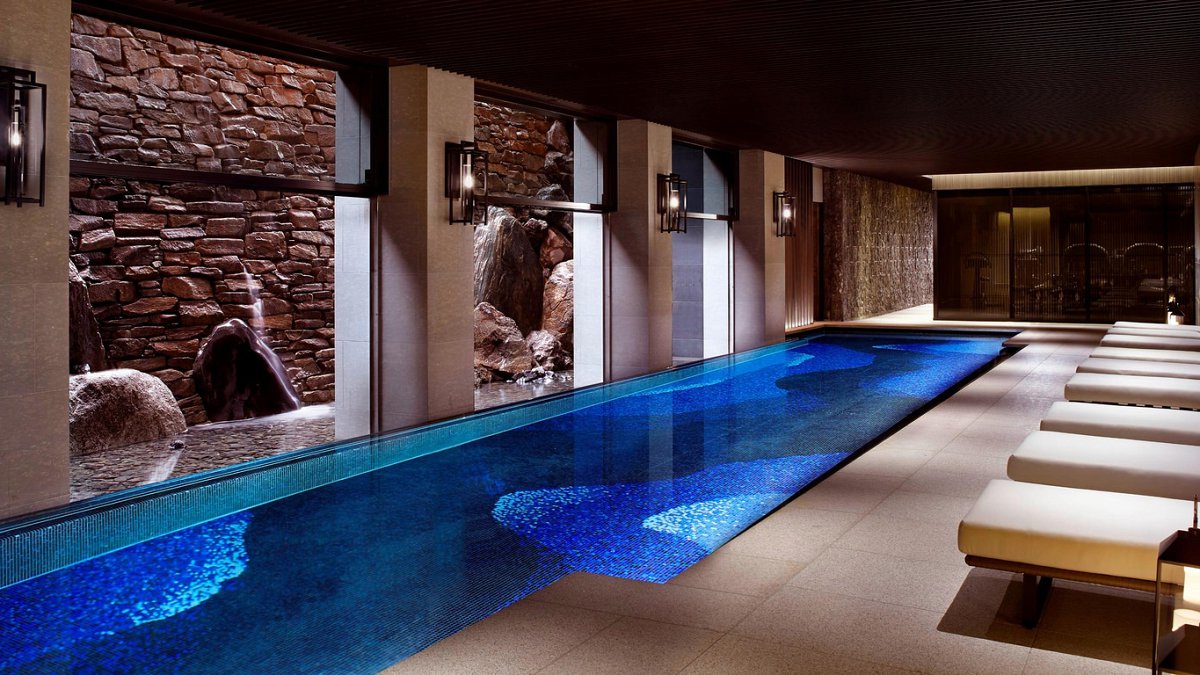
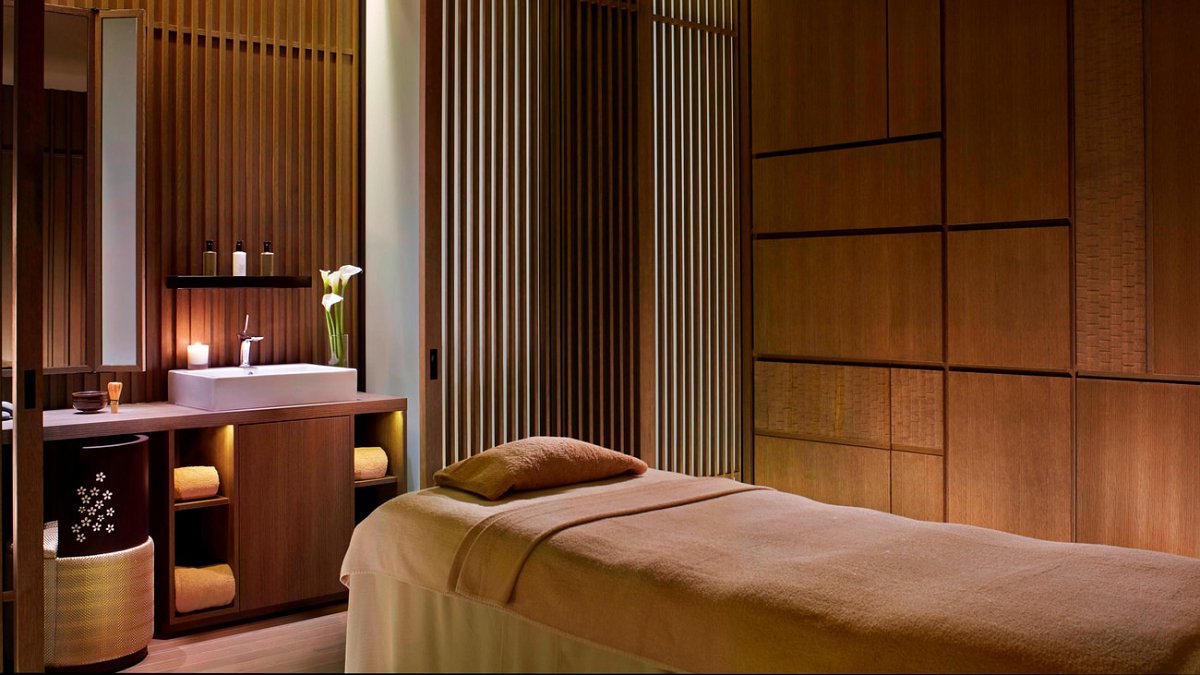
The spa takes a measured approach to rejuvenation, with treatment rooms set for quiet focus and a heated indoor pool that invites a steady, meditative swim. A 24-hour fitness center serves early risers and late returners alike, and in-room therapies can extend the calm of the spa back to your space. The overall philosophy favors unhurried routines: a session, a swim, a tea—each well-paced and clearly tended.

Service throughout the hotel matches the design: attentive, precise, and largely invisible until you need it. Requests are handled efficiently; reservations and transfers are arranged with clear communication and follow-through.

Experiences & Who It’s For

This accommodation suits travelers who want Kyoto at walking pace. Gion and Nishiki Market are reachable on foot, while farther-flung icons—bamboo groves and hillside temples—are easily linked by taxi or public transport. On property, cultural programming adds depth: art tours of the hotel’s collection, craft workshops, and culinary activities that introduce local techniques.

Families are well considered, with Ritz Kids programming, connecting-room options, and menus that accommodate younger palates. Couples and solo travelers will appreciate the riverside strolls and the way evenings can tilt either traditional—tempura, tea, a bath—or contemporary, with Italian comfort and a glass at the bar.

Verdict

The Ritz-Carlton, Kyoto integrates discreet luxury with clear Kyoto identity. Strong dining—especially at Mizuki and the Chef’s Table by Katsuhito Inoue—pairs with a spa that encourages slow time, while the riverfront setting keeps the city close yet never intrusive. For travelers seeking a base that reflects Kyoto’s craftsmanship and cadence without theatricality, this property is a thoughtful, well-rounded choice.

Select Amenities & Features

Free Wi-Fi Free Wi-Fi
Swimming pool Swimming pool
Yoga Yoga
Spa & wellness Spa & wellness
Fitness centre Fitness centre
Room service Room service
Laundry & dry cleaning Laundry & dry cleaning
Airport transfer Airport transfer
Bar Bar
Restaurant Restaurant

Please note: This is not an exhaustive list of amenities.

Location

How to Get There

By Air
  • (ITM) Osaka International (Itami): closest airport, primarily domestic flights; ~50–70 minutes by road (≈55 km).
  • (KIX) Kansai International: major international airport; ~1.5–2 hours by road (≈105 km), traffic dependent.
By Train
  • Kyoto Station (JR/Shinkansen): main rail hub for bullet trains (e.g., from Tokyo); ~15–20 minutes by car.
  • Kyoto Shiyakusho-mae Station (Tozai Subway Line): closest subway stop; ~3–5 minute walk.
  • Sanjo Station (Keihan Line): convenient for access from Osaka (non-Shinkansen); ~6–10 minute walk.
From Gion District
  • Located ~5–10 minutes by car or ~10–15 minutes walk from the Gion historical area.

Note: Travel times are approximate and may vary with traffic and season.

Nearby Places & Attraction

Kiyomizu-dera Temple
  • Historic Buddhist temple noted for its hillside terrace with sweeping Kyoto views.
  • Distance: ≈3 km
  • Mode: Car or taxi; ~10–15 min. Walk; ~30 min.
  • Best time: Early morning or March–May and October–November for seasonal foliage.
  • Tip: Paths get crowded midday; access before 9am is quieter.
Nanzen-ji Temple & Suirokaku Aqueduct
  • Serene Zen temple complex with notable gardens and historic aqueduct.
  • Distance: ≈2.5 km
  • Mode: Taxi or car; ~10 min. Walk; ~30 min.
  • Best time: April for cherry blossom; November for autumn colors.
Nishiki Market
  • Long, lively covered market street offering local Kyoto foods, produce, and crafts.
  • Distance: ≈2 km
  • Mode: Walk; ~20 min. Taxi; ~7 min.
  • Best time: Weekdays before noon for less crowd.
  • Tip: Some shops close by 6pm; plan for earlier visit.
Gion District
  • Traditional neighborhood famed for historic teahouses, preserved streets, and geisha culture.
  • Distance: ≈1.5 km
  • Mode: Walk; ~15 min. Taxi; ~6 min.
  • Best time: Dusk or evening for atmospheric strolls.
  • Tip: Sightings of maiko/geiko are more common between 5–7pm.
Arashiyama Bamboo Grove
  • Famous picturesque bamboo forest set in scenic western Kyoto.
  • Distance: ≈9 km
  • Mode: Taxi or car; ~30–40 min. JR train to Saga-Arashiyama; ~25 min plus short walk.
  • Best time: Early morning; March–May or autumn.
  • Tip: Trains and taxis may be faster during crowded weekends.
Fushimi Inari Taisha
  • Iconic Shinto shrine known for hillside trails lined with thousands of red torii gates.
  • Distance: ≈6 km
  • Mode: Taxi or car; ~20 min. Train (Keihan Line); ~15 min plus 5 min walk.
  • Best time: Early morning or late evening for tranquil experience.
  • Tip: Full trail loop takes ~2 hours; partial hikes possible.
Nara Park & Todaiji Temple
  • Historic park home to roaming deer and Todaiji’s Great Buddha Hall; a cultural day-trip destination.
  • Distance: ≈41 km
  • Mode: JR train; ~50–60 min. Taxi or car; ~1–1.5 hours, traffic dependent.
  • Best time: Weekday mornings or spring/autumn for mild weather.
  • Tip: Deer tend to gather near park entrances; temple gets busy midday.

General Tip: For maximum convenience, use local taxis or public transit and confirm attraction hours before scheduling visits, as seasonal and holiday closures are common.

Seasonality Overview

Super-peak
  • Late Mar–early Apr and mid–Nov bring blossom and foliage.
  • Highest demand; reservations and key experiences need early booking.
Peak
  • Mar–May and Oct–Nov are generally mild and pleasant.
  • Strong leisure demand; rates often toward their upper range.
Shoulder
  • Jun, Sep and early Dec are humid or cool with moderate crowds.
  • Transitional periods; availability improves and policies can be more flexible.
Low/Off
  • Jan–Feb and Jul–Aug bring colder or very hot conditions.
  • Generally lighter leisure demand; some guests avoid extremes or humidity.

Note: Month windows are indicative and may change year to year.

Other Information

Theme: Waterfront, Mountain, Urban
Check-in time: After 3:00 PM
Check-out time: Until 12:00 PM
Number of rooms: 134

Explore More Hotels