Six Senses Kyoto

“Tatami‑inspired suites feature balconies shaded by maples beside the historic temples and gardens of Higashiyama.”

Our Review

Overview

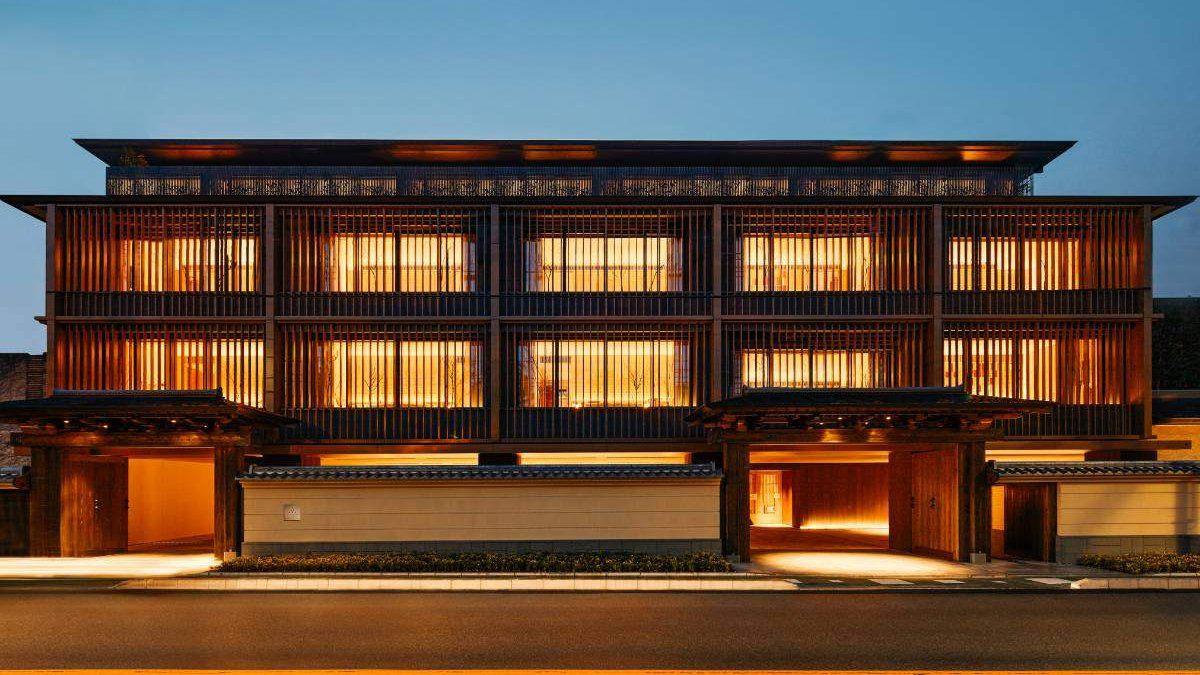
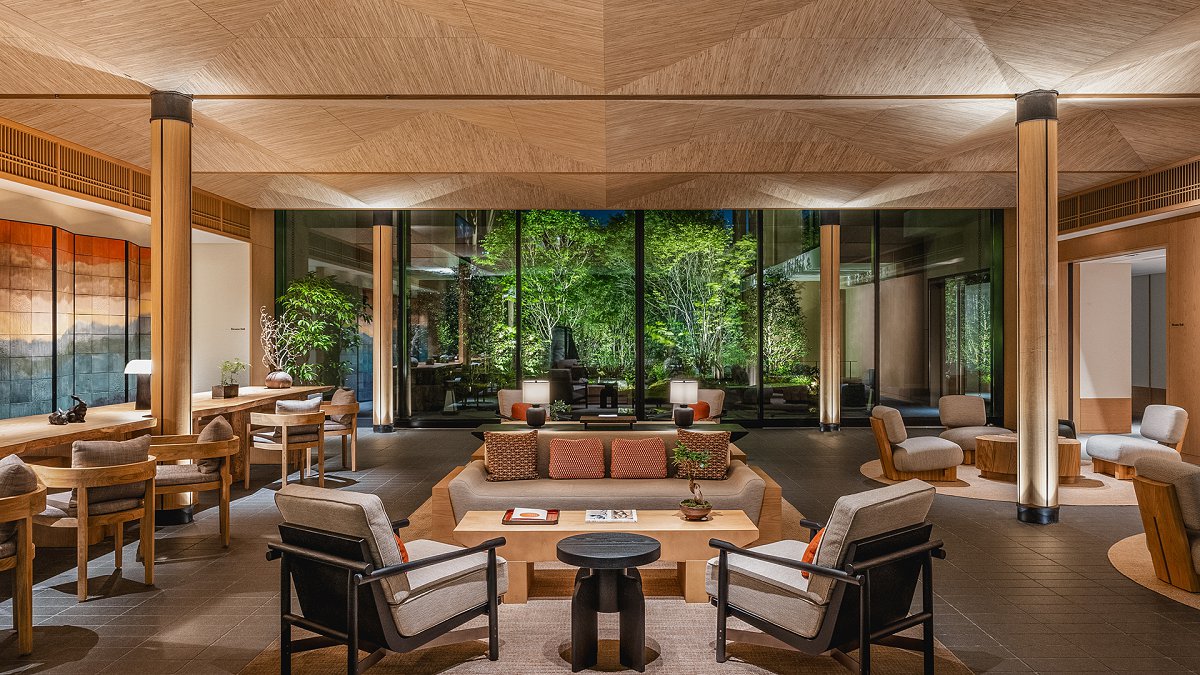
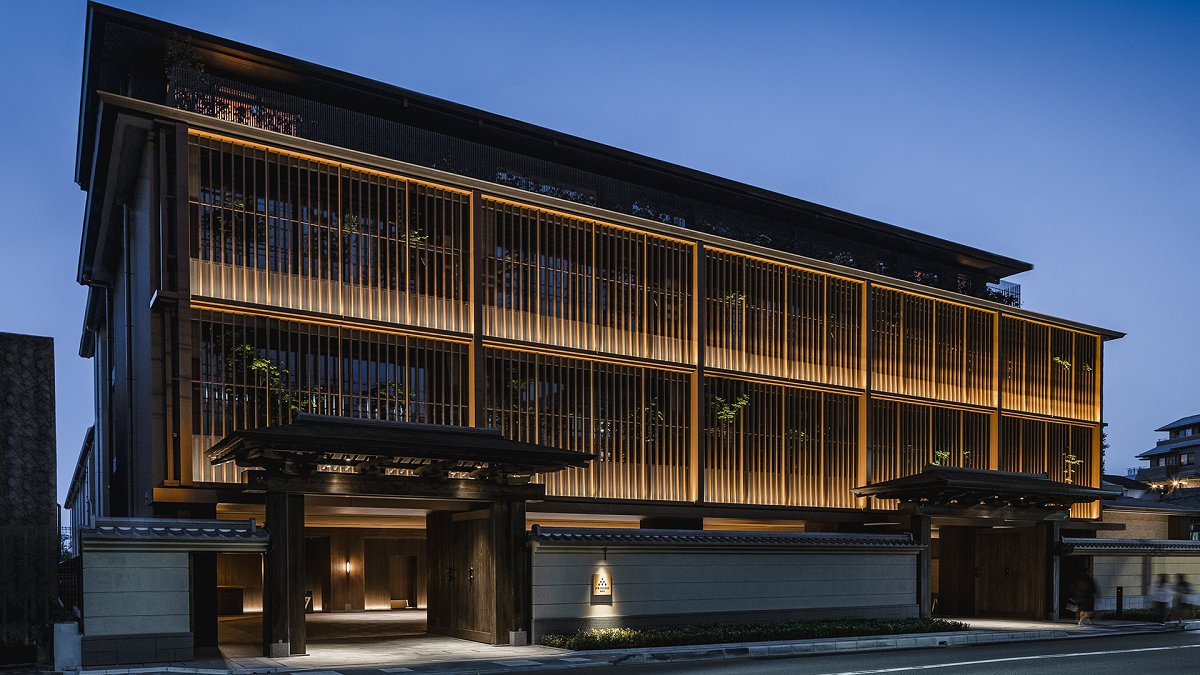
Six Senses Kyoto brings the brand’s wellness-forward hospitality to Japan with an urban sanctuary set around a meditative courtyard. Opened in 2024, the property balances contemporary craft with Kyoto’s refined heritage, creating an elegant, low-rise hideaway where blond timbers, textured washi, and soft stone form a calm backdrop to days of temple-hopping and evenings of slow ritual. With a strong focus on sleep, nutrition, and meaningful local immersion, this property functions as both stylish base and restorative retreat.

Location

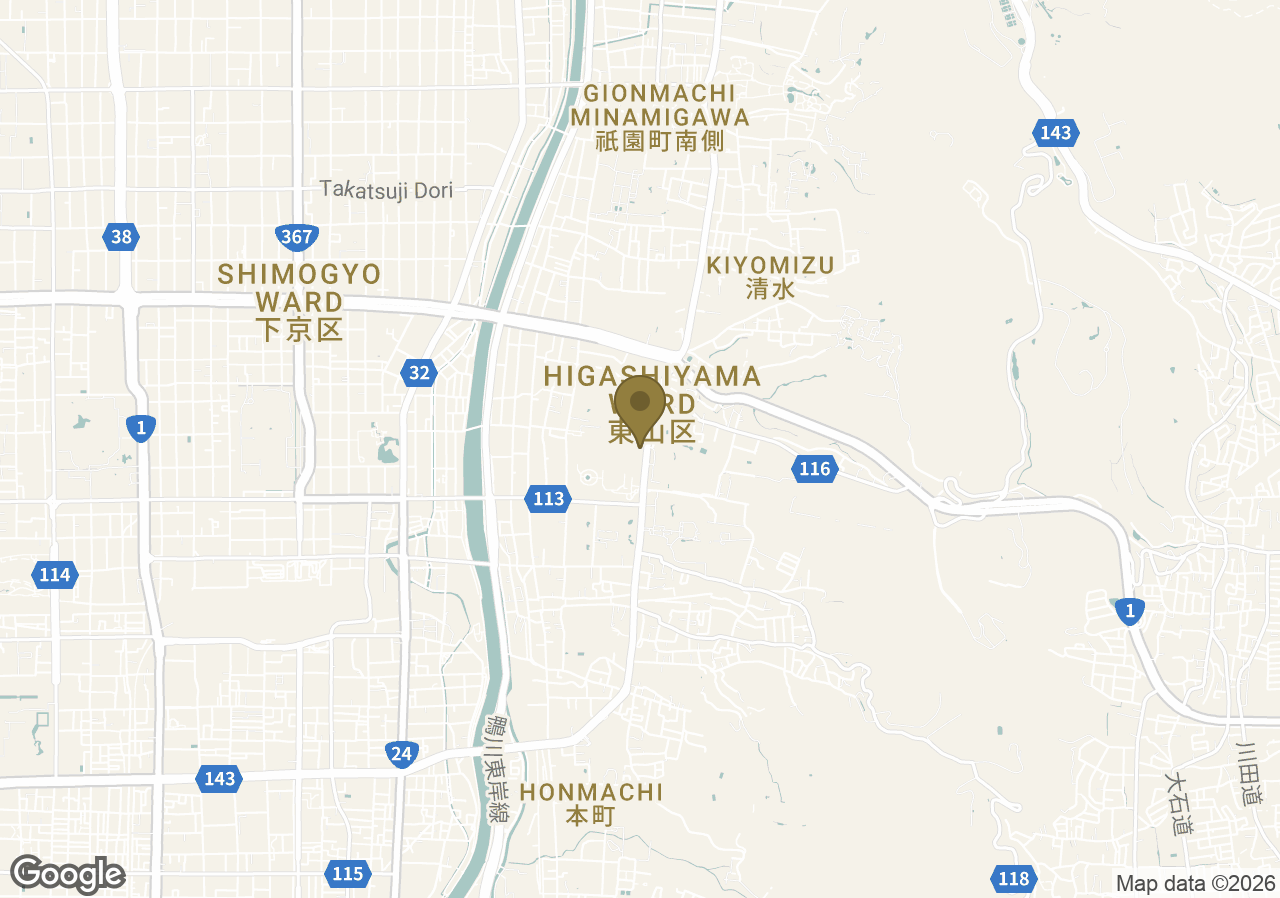
Set in the tranquil district of Higashiyama, the hotel sits within easy walking distance of landmarks such as the Kyoto National Museum, Myoho-in Temple, and Sanjusangendō. Despite the centrality, the inward-facing courtyard and layered landscaping keep city bustle at bay, so you step from storied streets into quiet gardens. Some accommodations look across to the 16th-century Toyokuni Shrine, while famed sights like Kiyomizu-dera and the lanes of Gion are close enough for unhurried morning or twilight strolls.

Rooms & Design

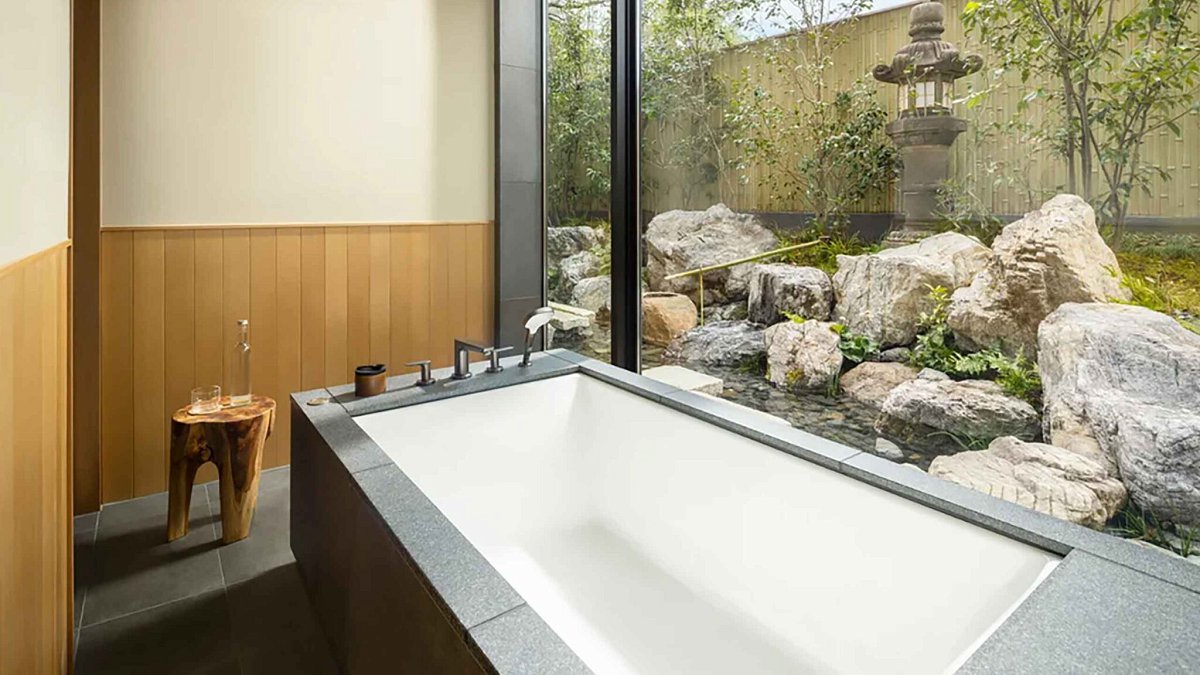
The 81 rooms and suites (42–238 sqm) are organized to draw the eye to greenery and heritage—either the biophilic courtyard, shrine gardens, or a city tableau of treetops and tiled roofs. Inside, aesthetics nod to the Heian period and the Tale of Genji, interpreted through origami-like ceiling planes, handmade raku-yaki tile screens, pale woods, and bamboo textures. The palette stays warm and natural, with meticulous joinery and tactile fabrics contributing to a cocooned, residential feel. Bathrooms favor ritual: deep soaking tubs, stone basins, and thoughtful lighting that encourages slower rhythms. Top-tier suites add generous living areas and terraces for private tea or quiet reading above the courtyard.

Dining & Drinks

Culinary programming leans into micro-seasonality. At Sekki, menus reference Japan’s 24 solar terms with produce-led plates that feel nuanced rather than fussy. Café Sekki starts the day with well-sourced coffees, teas, and light bites. For evening mood, Nine Tails is a tucked-away cocktail den—dark woods, refined glassware, and a deep selection of Japanese spirits. Serious sushi lovers can book Sushi Oga Higashiyama, an intimate omakase counter within the hotel that extends the acclaimed Osaka original; expect pristine cuts, red-vinegar rice, and quietly theatrical pacing.

Wellness & Facilities

The spa blends Zen philosophies with calibrated therapies and smart diagnostics. Facilities include an indoor lap pool framed by sculptural ceilings, Japanese-style hot baths, sauna and steam, and a serene Watsu pool for water-based bodywork. Yoga and meditation spaces support breath-led practice; a fitness studio keeps strength work discreet and focused. Signature programs target sleep quality and recovery, while optional biohacking tools and personalized assessments can fine-tune a plan for short stays or longer resets.

Sustainability & Experiences

As with the brand’s other outposts, sustainability is embedded rather than performative. The on-site Earth Lab hosts workshops that demystify daily impact—from composting to low-waste crafts—while the Alchemy Bar invites guests to hand-blend balms and scrubs from kitchen-garden botanicals. City experiences emphasize connection over checklist: zazen in a neighborhood temple, market walks that decode Kyoto seasonality, and gentle cycling to riverside paths and lesser-known shrines. It’s a thoughtful, softly luxurious way to experience one of Japan’s most storied cities.

Select Amenities & Features

Free Wi-Fi Free Wi-Fi
Swimming pool Swimming pool
Spa & wellness Spa & wellness
Fitness centre Fitness centre
Room service Room service
Laundry & dry cleaning Laundry & dry cleaning
Bar Bar
Restaurant Restaurant

Please note: This is not an exhaustive list of amenities.

Location

How to Get There

By Air
  • (KIX) Kansai International Airport: primary international gateway; ~90–120 minutes by road.
  • (ITM) Osaka International Airport (Itami): closest domestic airport; ~50–60 minutes by road.
By Train
  • Kyoto Station: main Shinkansen (bullet train) hub for arrivals from Tokyo and Osaka. The hotel is located ~10–15 minutes away by car/taxi.

Note: Travel times are approximate and may vary with traffic and season.

Nearby Places & Attraction

Sanjusangen-do Temple
  • Historic temple hall featuring 1,001 statues of Kannon in a single long hall.
  • Distance: ≈0.6 km
  • Mode: Walk; ~7–10 min
  • Best time: Morning or late afternoon for quieter visits.
  • Tip: Note closing time in late afternoon; plan accordingly.
Kiyomizu-dera Temple
  • Historic hillside temple with wooden stage overlooking Kyoto and traditional approach streets.
  • Distance: ≈1.1 km
  • Mode: Walk or short taxi; ~15–20 min
  • Best time: Early morning or late afternoon; spring and autumn are comfortable.
  • Tip: Approaches are steep and cobbled; wear comfortable shoes.
Gion District & Yasaka Shrine
  • Traditional streets, teahouses, and shrine complex representing Kyoto’s preserved historic quarter.
  • Distance: ≈1.5 km
  • Mode: Walk or taxi; ~15–20 min
  • Best time: Evening for atmosphere; also during festivals.
  • Tip: Be respectful with photography and keep to public areas.
Nishiki Market
  • Covered market street offering local produce, snacks, and specialty food shops.
  • Distance: ≈1.7 km
  • Mode: Walk, bus, or taxi; ~15–20 min
  • Best time: Late morning to mid-afternoon.
  • Tip: Aisles are narrow; avoid peak times with large bags or strollers.
Fushimi Inari Taisha
  • Shinto shrine with pathways of vermilion torii gates climbing a forested hillside.
  • Distance: ≈3.5 km
  • Mode: Train from nearby stations or taxi; ~10–20 min (traffic dependent)
  • Best time: Early morning or evening for cooler, less crowded paths.
  • Tip: Allow extra time if walking higher trails; carry water.
Nijo Castle
  • Historic castle complex with gardens and palace interiors featuring “nightingale” floors.
  • Distance: ≈4 km
  • Mode: Taxi or metro plus walk; ~20–30 min
  • Best time: Daytime; avoid midday heat in summer.
  • Tip: Check for any restrictions on interior access before visiting.

General Tip: Group nearby sights into walking routes and use Kyoto’s buses, metro, or short taxis to link areas; always confirm opening hours and any seasonal schedule changes before setting out.

Seasonality Overview

Peak
  • Mar–May and Oct–Nov are mild, with reliable sightseeing weather.
  • Strong demand; popular stays often fill and rates firm.
Super-peak
  • Late Mar–early Apr and mid–Nov see blossom and foliage peaks.
  • Highest demand; availability tight and booking policies less flexible.
Shoulder
  • Jun–Sep and early Dec are warmer, wetter transition periods.
  • Crowds and demand fluctuate; selected dates busier around local festivals.
Low/Off
  • Jan–Feb and early Mar are cold with fewer visitors.
  • Generally quieter; more availability and occasional flexible stay conditions.

Note: Month windows are indicative and may change year to year.

Other Information

Theme: Urban, Healing & Wellness
Check-in time: After 3:00 PM
Check-out time: Until 12:00 PM
Number of rooms: 81

Explore More Hotels

Setouchi Retreat Aonagi

Matsuyama, Japan

Chateau Marmont

Los Angeles, United States

Taj Rambagh Palace

Jaipur, India

Gleneagles

Auchterarder, United Kingdom