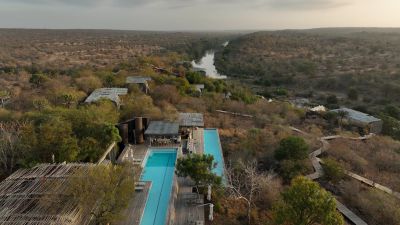
Arrival and Sense of Place
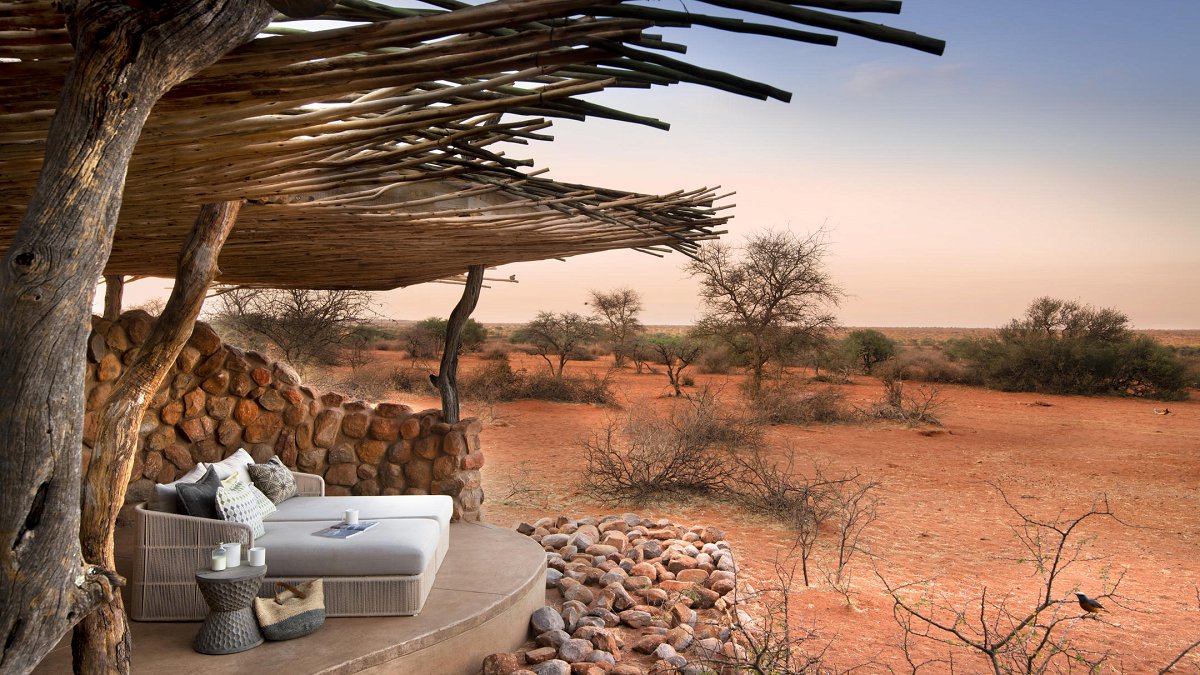
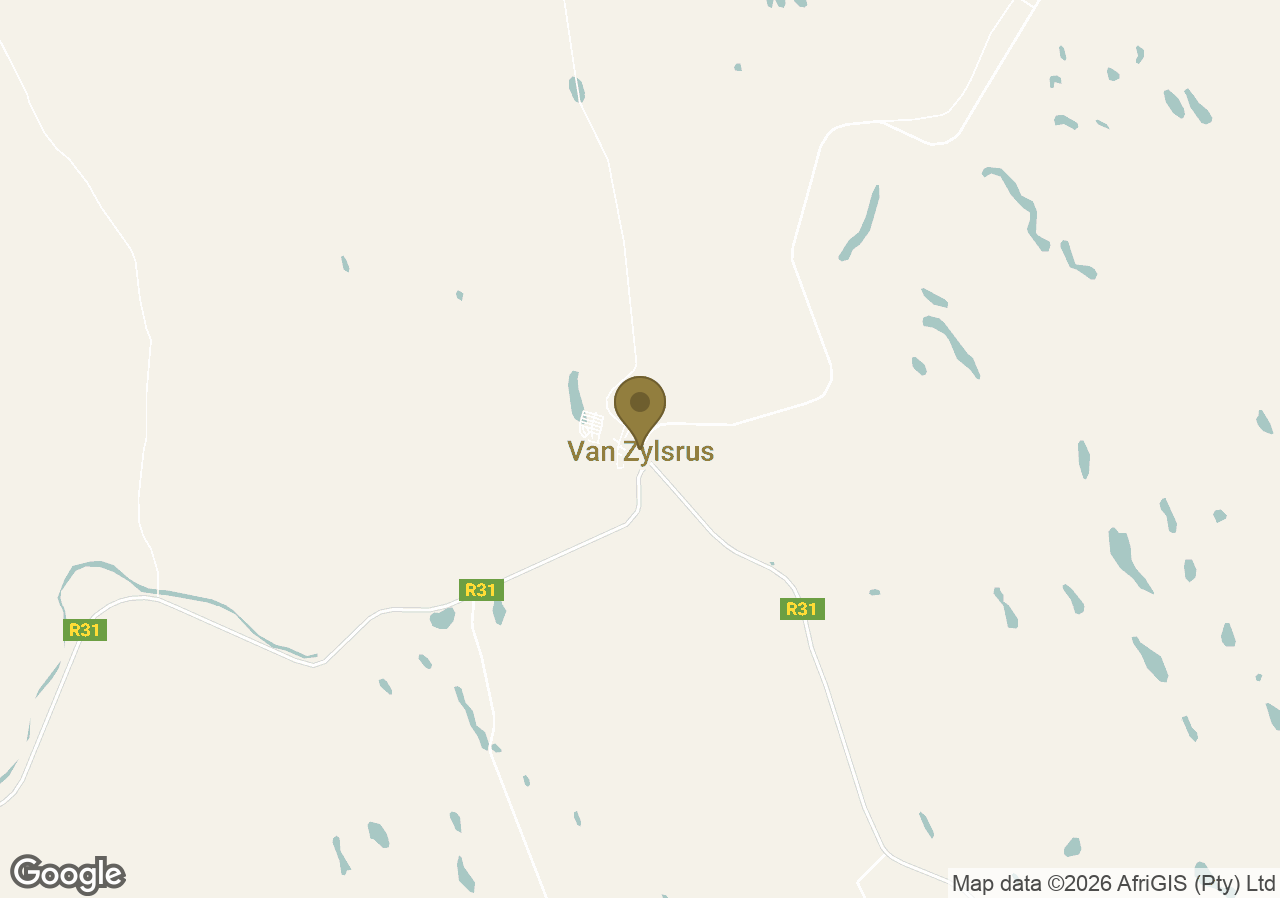
Tswalu Kalahari lies on the southern edge of the Kalahari, a semi-arid landscape of red dunes, open savannah and ancient mountains. Access is straightforward via scheduled charter flights to the reserve’s private airstrip, and the transition from airport to wilderness is quick. Once on property, the scale is striking: more than 280,000 acres of privately protected terrain translate to very few vehicles and a real feeling of space. Night skies are exceptionally clear, and the quiet is a defining part of the experience.
Accommodation and Facilities
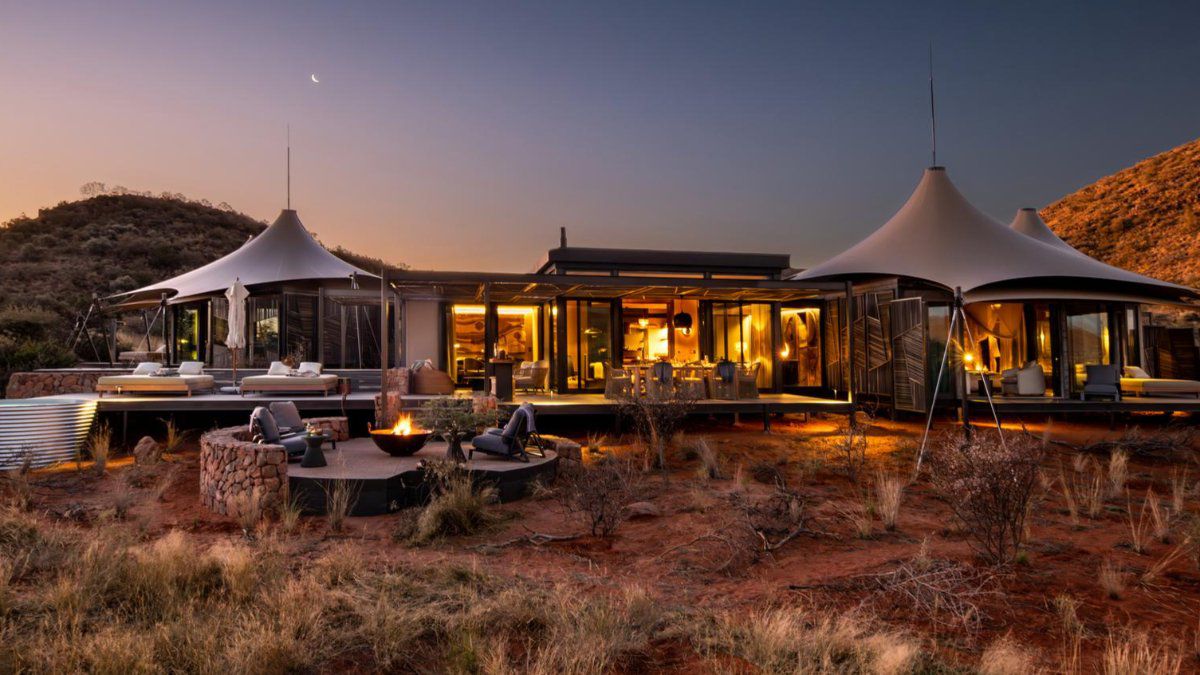
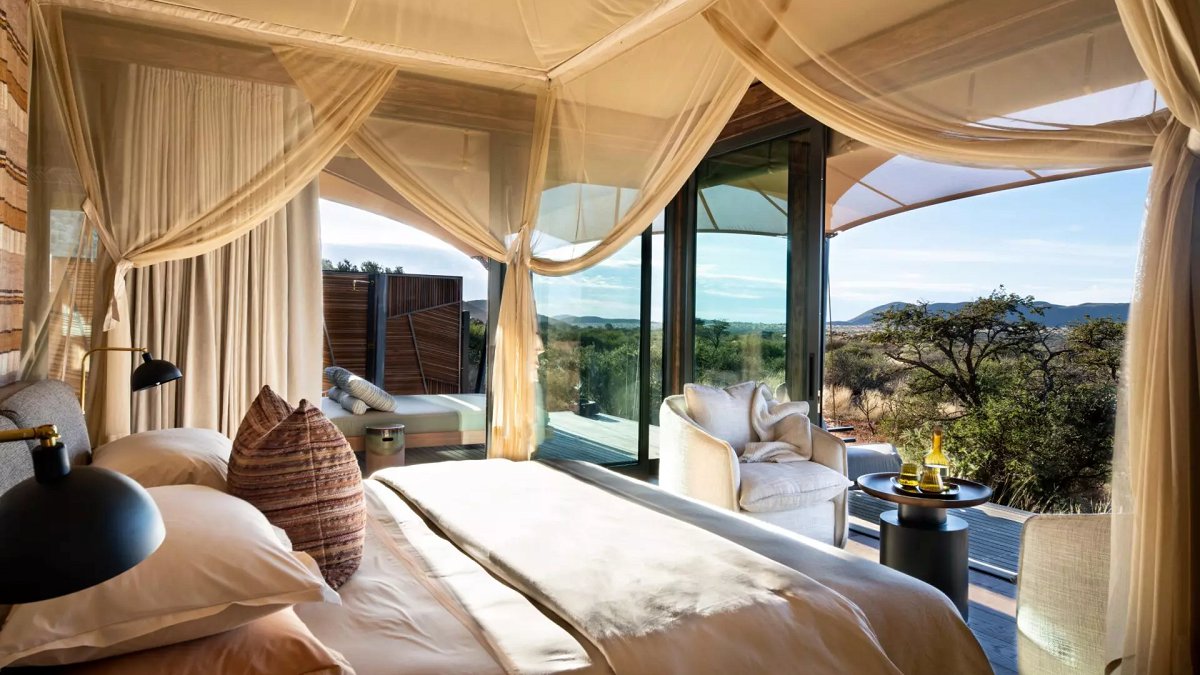
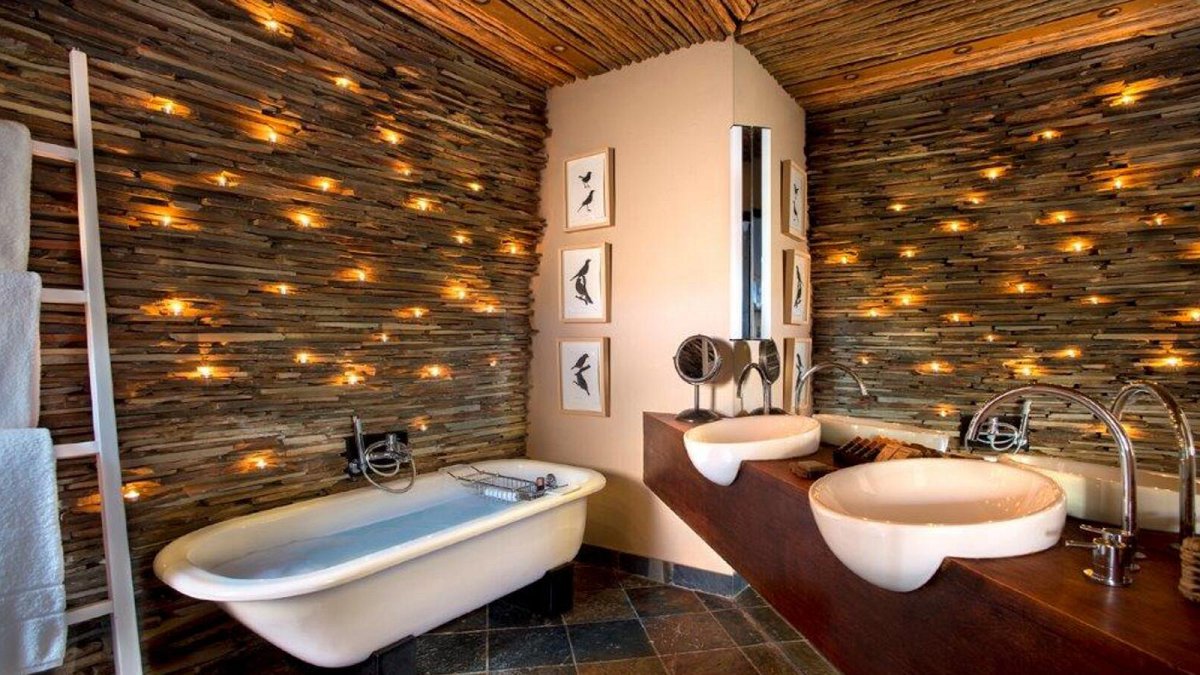
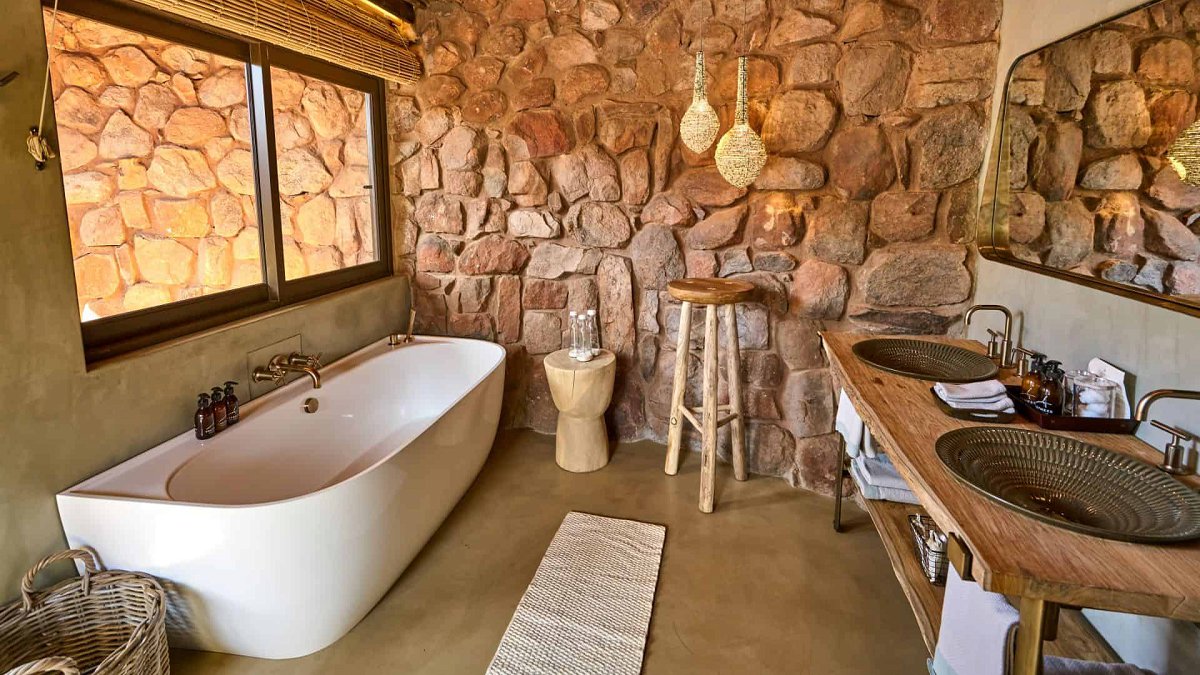
The main camp, The Motse, blends local stone, clay and thatch with contemporary comforts. Its nine legae (suites) include indoor and outdoor showers, soaking tubs, wood-burning stoves for cool desert nights, and shaded decks looking over waterholes and plains. Families have the option of larger, two-bedroom configurations. For maximum privacy, Loapi Tented Camp offers self-sufficient “micro-camps” with private plunge pools, indoor–outdoor living spaces, and dedicated culinary service; there are no shared guest areas here by design. Groups may prefer Tarkuni Homestead, a five-suite, exclusive-use residence in a secluded valley, complete with its own team and flexible dining.
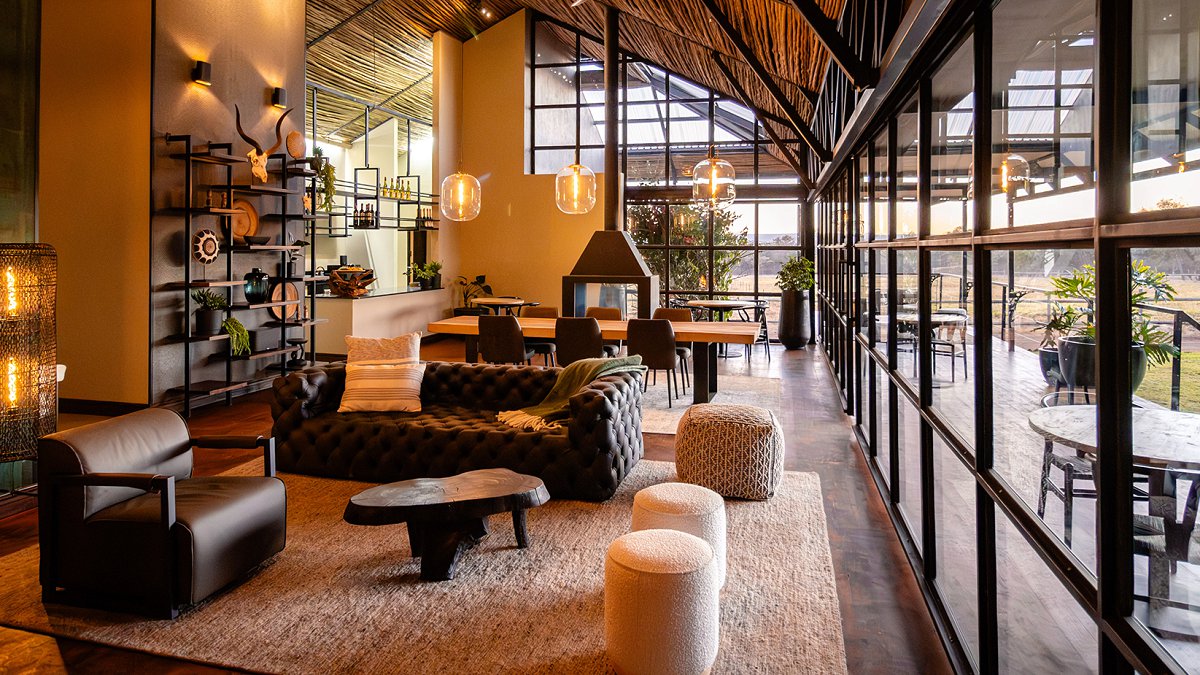
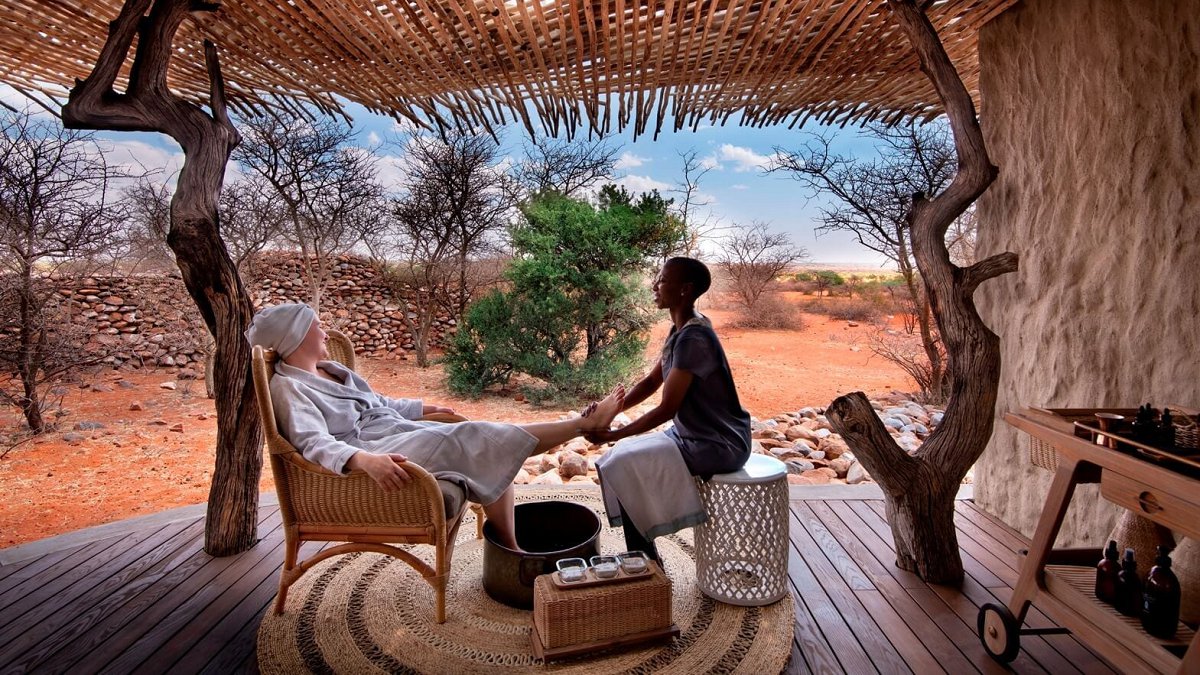
Shared facilities across the property are practical rather than showy: a small spa, an equipped gym, and multiple pools (including one overlooking a busy waterhole) complement a lounge, library and gallery. Wi-Fi is available, but the appeal here leans toward time outdoors rather than screen time.
Dining
Meals balance sense of place with comfort. Expect freshly baked pastries at breakfast, salads and grilled dishes at lunch, and relaxed boma dinners under the stars when weather allows. The culinary centerpiece is Klein JAN, a fine-dining experience that celebrates Northern Cape provenance through a structured, multi-course menu served in a beautifully reimagined heritage space. Storytelling is part of the format; portions are calibrated, plating is refined, and the wine selection highlights South African producers. Each in-house guest is typically assured a reservation during their stay.
Safari and Wildlife
Every booking includes a private vehicle, guide and tracker, allowing drives to run at your pace—whether that means seeking out nocturnal species after dark or spending an unhurried hour at a waterhole. While you will not find all of the classic “Big Five,” the reserve excels at rarities and arid-zone specialists: sightings can include pangolin, aardvark, brown hyena, aardwolf, and the endangered African wild dog, alongside black-maned Kalahari lions, cheetah, rhino, giraffe, zebra and a long list of antelope from gemsbok to roan. Birders will appreciate more than 200 recorded species, from crimson-breasted shrikes to pygmy falcons.
Experiences Beyond the Vehicle
This property encourages variety: nature walks and tracking on foot, time with habituated meerkats, horseback outings from the stables, photographic guidance on request, and visits to rock art sites in the Korannaberg. Bush breakfasts or dune picnics are arranged thoughtfully when conditions suit. Because the program is private, days can start later, finish earlier, or focus on a single area without compromise.
Conservation and Ethos
The reserve is a long-running rewilding effort with active habitat restoration and research through the Tswalu Foundation. Scientists study keystone and elusive species, vegetation dynamics and predator–prey interactions; guests’ stays help fund these projects. Management avoids crowding, prioritizes low guest density and protects ecological processes across a continuous, fence-free landscape. The destination is also malaria-free, which simplifies planning for many travelers.
Service Style
Service is attentive but not formal. Preferences are remembered, turn-down touches are useful rather than ornamental, and logistics are handled with quiet efficiency. The overall feel is of an owner-led conservation project with hospitality built around it, rather than a design-first lodge with a safari attached.
Practical Notes and Who It Suits
If your priority is flexible, private guiding across diverse Kalahari habitats with a strong chance of unusual species, this property fits exceptionally well. If you prefer high-gloss interiors and statement architecture, you may find the aesthetic more understated than some top-end competitors. Ideal pairings include combining a few nights here with a different ecosystem elsewhere in South Africa for contrast. Distances are significant within the reserve, temperatures swing between day and night, and pools are typically unheated, so pack accordingly. For families, couples and small groups seeking privacy, thoughtful food, and wildlife variety without vehicle congestion, the proposition is compelling.
Bottom Line
Tswalu offers a distinctive Kalahari safari defined by private guiding, rare-species potential and a research-driven conservation mission. The accommodations range from classic suites at The Motse to the secluded independence of Loapi Tented Camp and the expansive comfort of Tarkuni Homestead. Add the culinary ambition of Klein JAN, and the result is an experience that favors authenticity, space and flexibility over spectacle—one that many travelers will find richly rewarding.