Setting & First Impressions
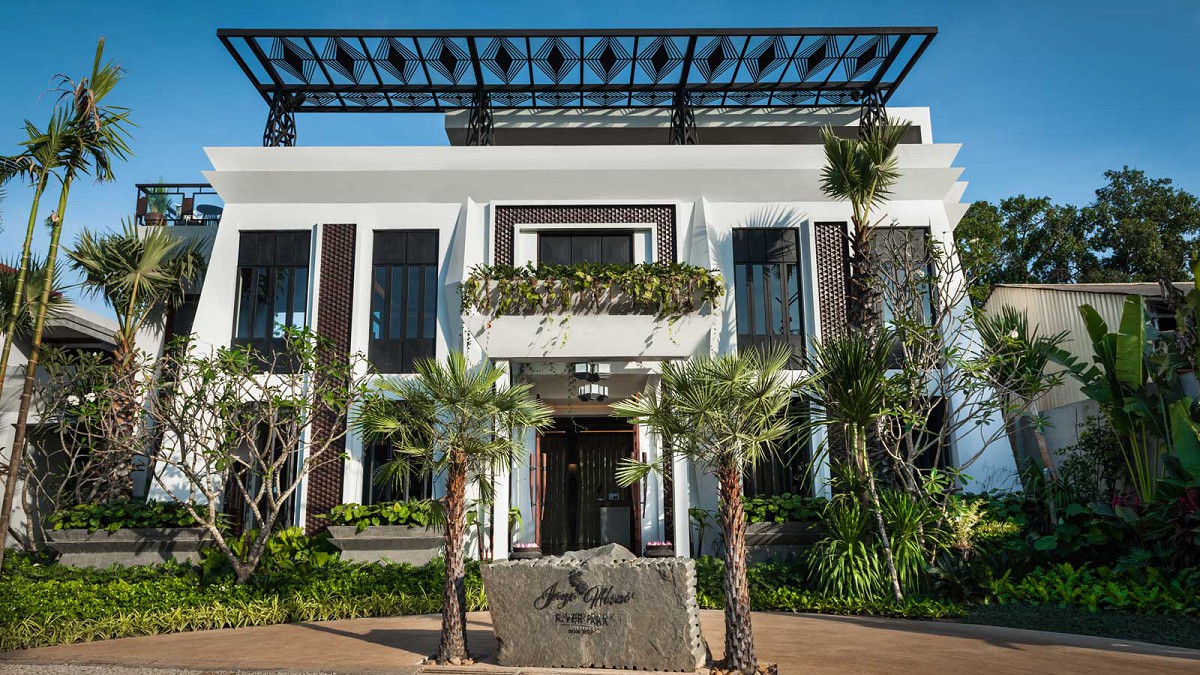
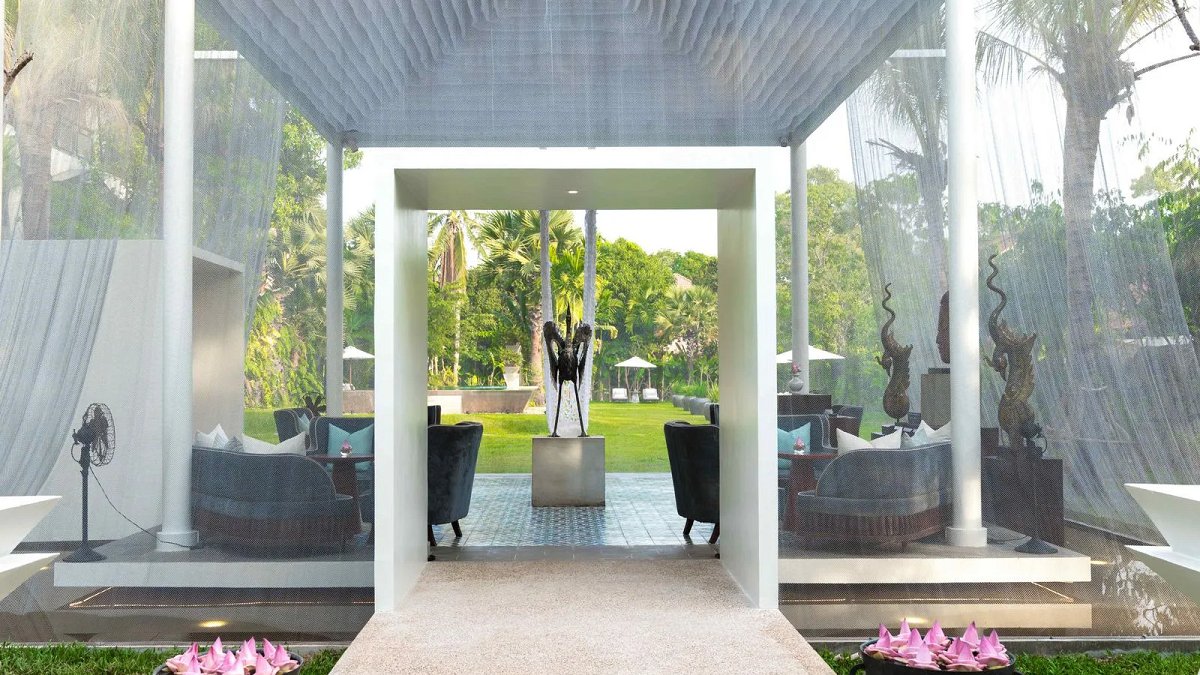
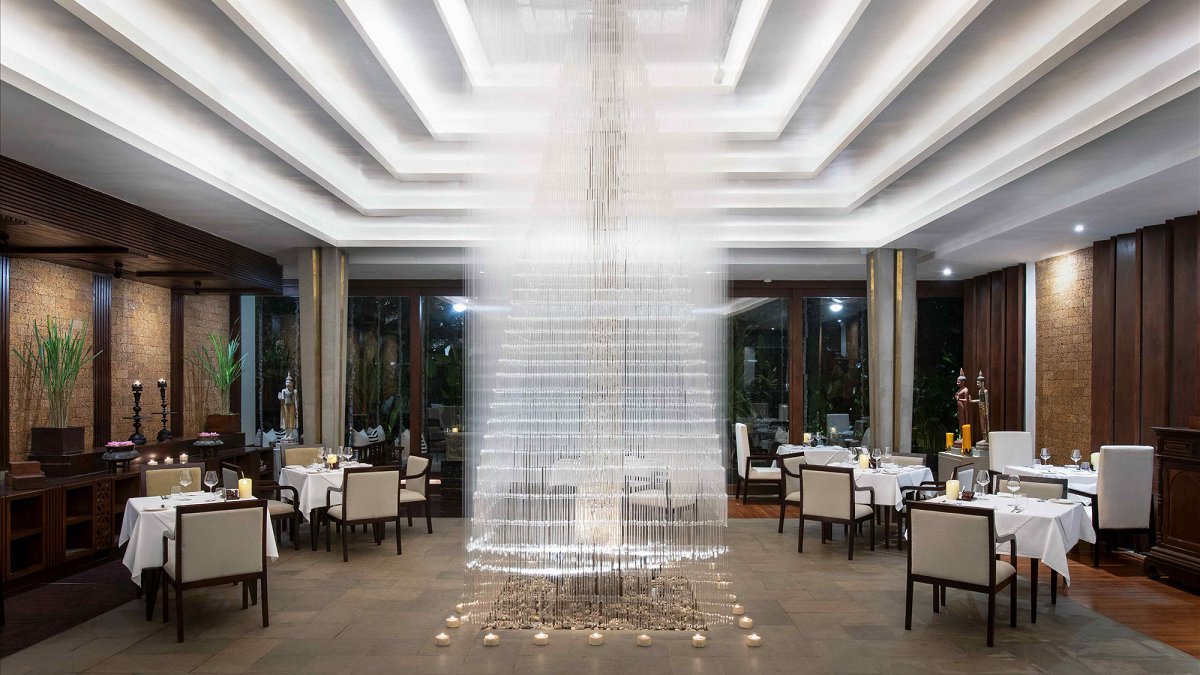
Nestled along the leafy banks of the Siem Reap River, Jaya House River Park reveals itself as a discreet urban sanctuary where contemporary lines meet Cambodian modernism. Arrival is intentionally relaxed: instead of a lobby shuffle, guests are seated with a welcome drink while formalities are handled in the background, setting a tone of unhurried comfort. A striking art installation fashioned from recycled materials hints at the property’s wider ethos—thoughtful design aligned with community and sustainability.
Rooms & Design
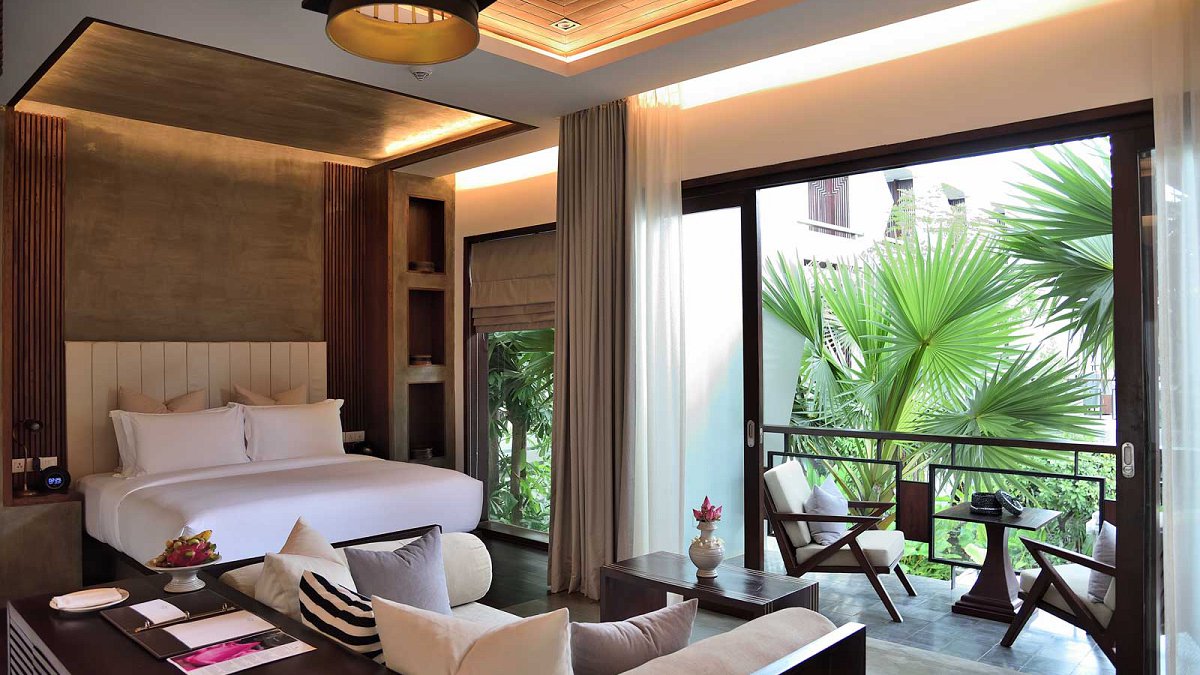
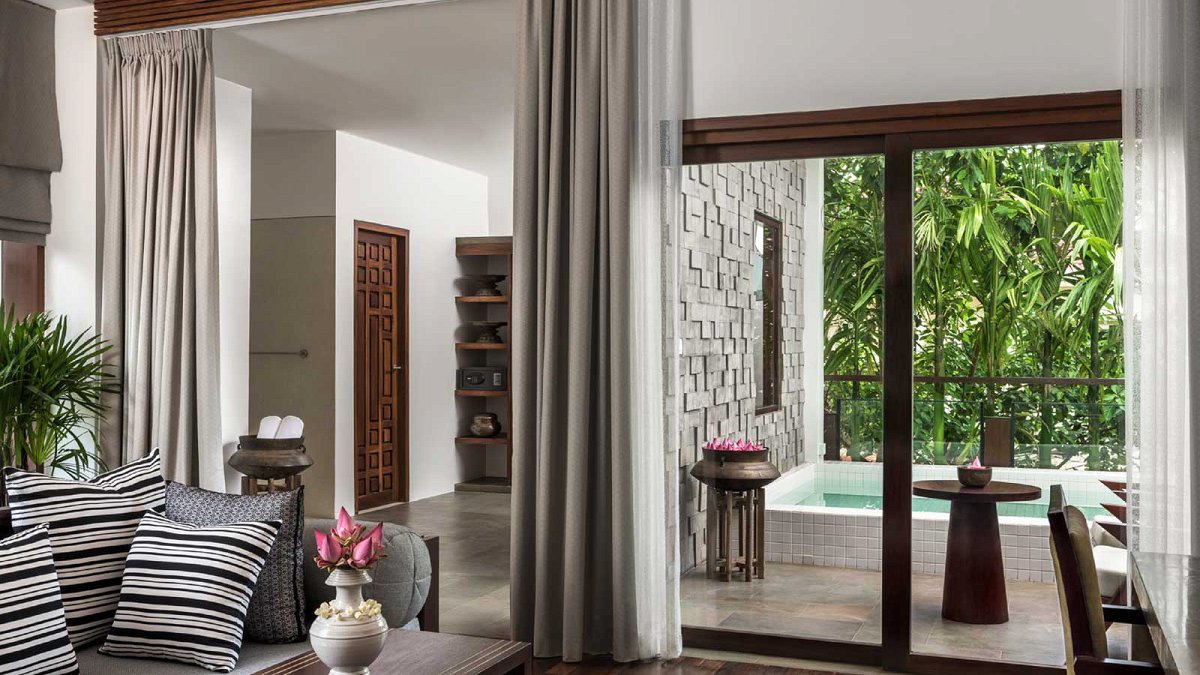
With only 36 rooms, the scale feels intimate. Spaces are bright and soothing, framed by wide windows and balconies or direct garden access, so greenery is a constant companion. Interiors balance polished concrete, deep-toned wood and clean geometry, with soft textiles tempering the minimalism. Deluxe rooms suit most travelers, while Junior Suites add generous living areas for longer stays. For extra privacy, the Junior Pool Suites introduce a plunge pool screened by foliage—an inviting retreat after a temple-day start before dawn.
A considered amenity program underscores the comfort: a complimentary, well-stocked minibar is refreshed daily; local organic teas invite a slow afternoon pause; and in-room Jaya Organics products reduce plastic while adding a light, natural fragrance to the routine. Details feel practical rather than performative—ample storage, effective blackout, and quietly efficient air-conditioning that never calls attention to itself.
Dining & Skyline Moments
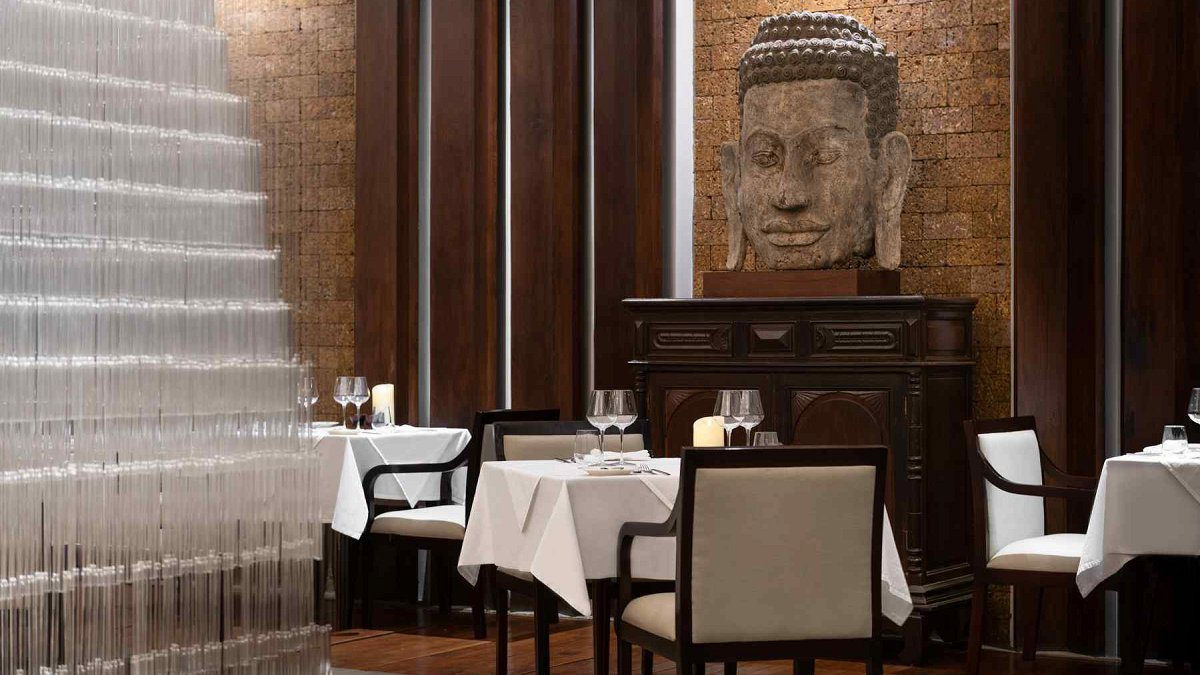
Breakfast blends a compact buffet of fruits and pastries with à la carte plates—eggs any style, porridge, pancakes and Khmer-leaning options such as ginger rice or noodle soups. Through the day, the restaurant keeps the focus on local flavors with contemporary polish, and plant-forward choices are woven naturally into the menu. Dietary notes are flagged; still, ingredients like soy sauce can hide gluten, so sensitive diners should confirm specifics to ensure a smooth experience.
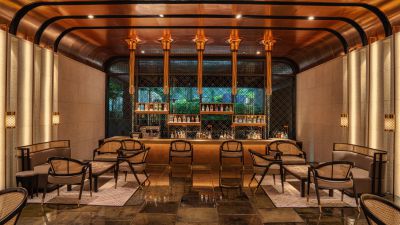
As sunset brushes the treetops, the rooftop Skybar becomes the natural gathering point. A concise list of spirits and cocktails, including Khmer-tinged signatures, encourages lingering as the river breeze cools the day. It is an unpretentious scene—more conversation than spectacle—with views that stretch just far enough to remind you how close the city sits beyond the canopy.
Wellness & Pools
The spa is a calm, lotus-scented cocoon where Khmer techniques inform a menu of massages, scrubs and compresses. A complimentary daily treatment per guest is a standout inclusion, not as an upsell but as part of the stay’s rhythm—an apt counterbalance to sunrise temple visits. Therapists adjust pressure and sequence with quiet confidence, and a post-treatment tea service gently bridges the return to daylight.
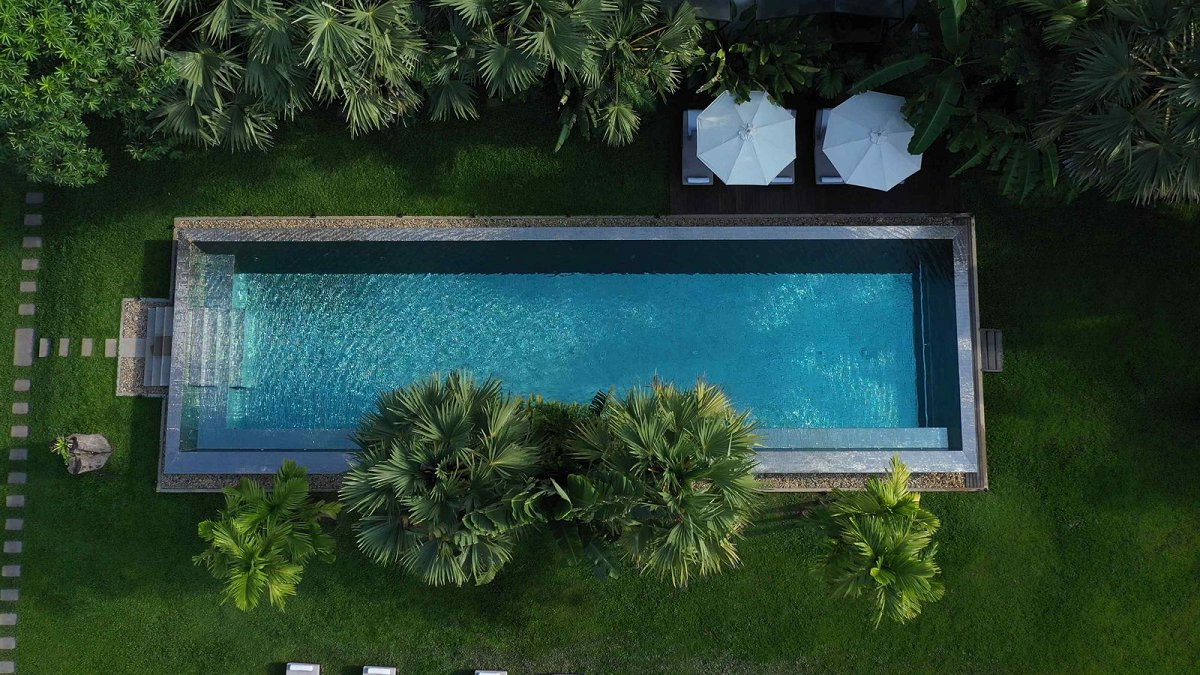
Outdoors, two distinct pools invite different moods. One, lined with shimmering silver tiles, adds a glint of drama to the jungle courtyard; the other, set by the lawn, suits leisurely laps. Service orbits lightly around both—cold water here, a fruit skewer or sorbet there—never fussy, yet strikingly consistent.
Location, Sustainability & Practicalities
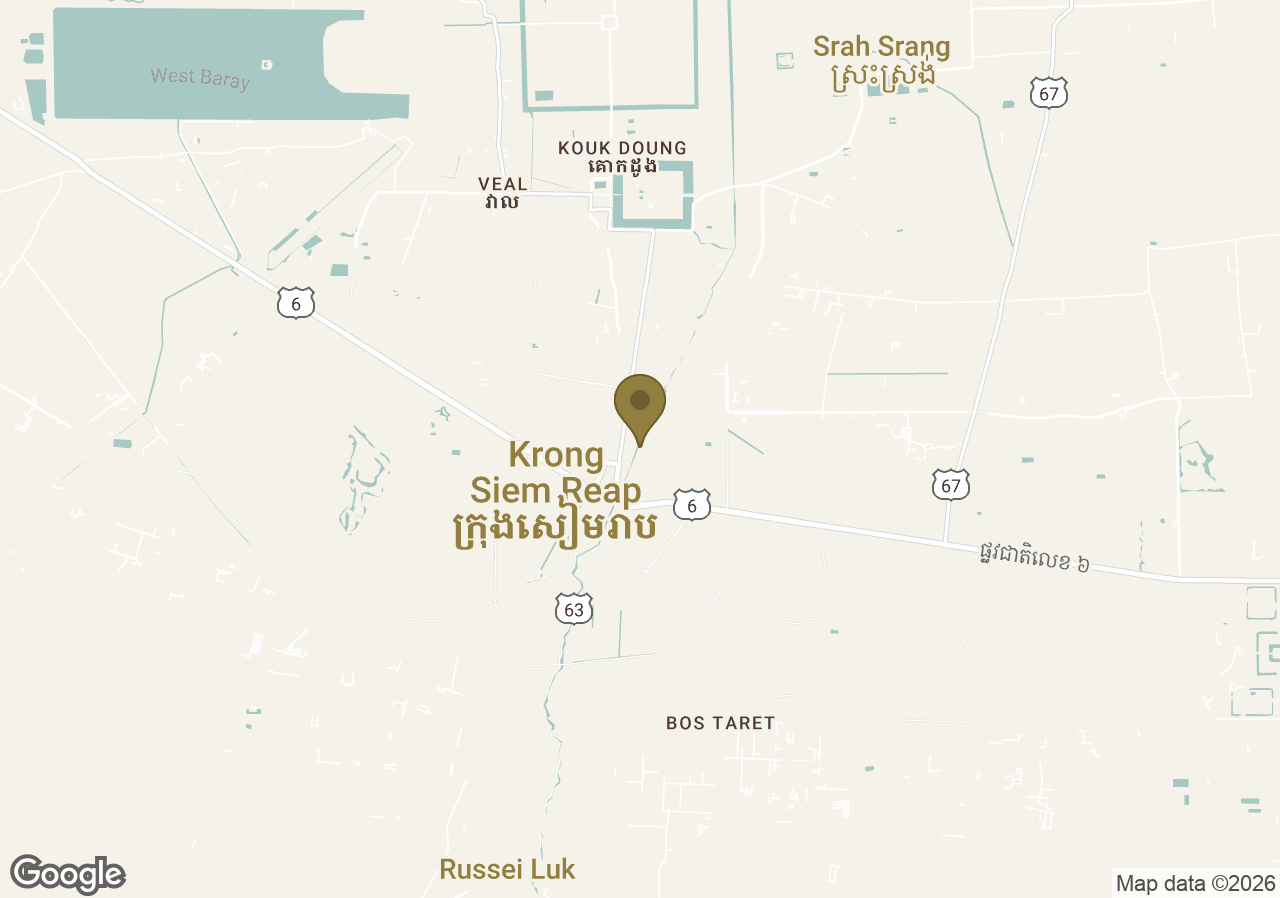
Positioned a short tuk-tuk ride from central Siem Reap and in the direction of Angkor Wat, the hotel makes quick work of both sunrise temple runs and evening strolls through town. A complimentary tuk-tuk service—paired with a local phone number for easy pickups—removes the friction of urban hops and encourages spontaneous detours to markets or galleries. Airport transfers are available, with complimentary pick-up offered on qualifying stays.
Sustainability is embedded rather than appended. The property has championed a plastic-free approach since opening, co-launching the Refill Not Landfill initiative to curb single-use bottles across Siem Reap. In-room amenities come from the brand’s own refillable line, water is provided via reusable bottles, and local hiring and training deepen the community footprint. It is luxury expressed as stewardship: fewer throwaways, more durable comfort.
This is a boutique hideaway that prizes substance over spectacle. Thoughtful rooms, an excellent spa with daily inclusions, polished Khmer-leaning cuisine and easy access to Angkor create a stay that feels quietly complete. For travelers seeking design clarity, service that anticipates without intruding, and sustainability that shows up in the details, this property delivers with reassuring consistency.