Setting & Arrival
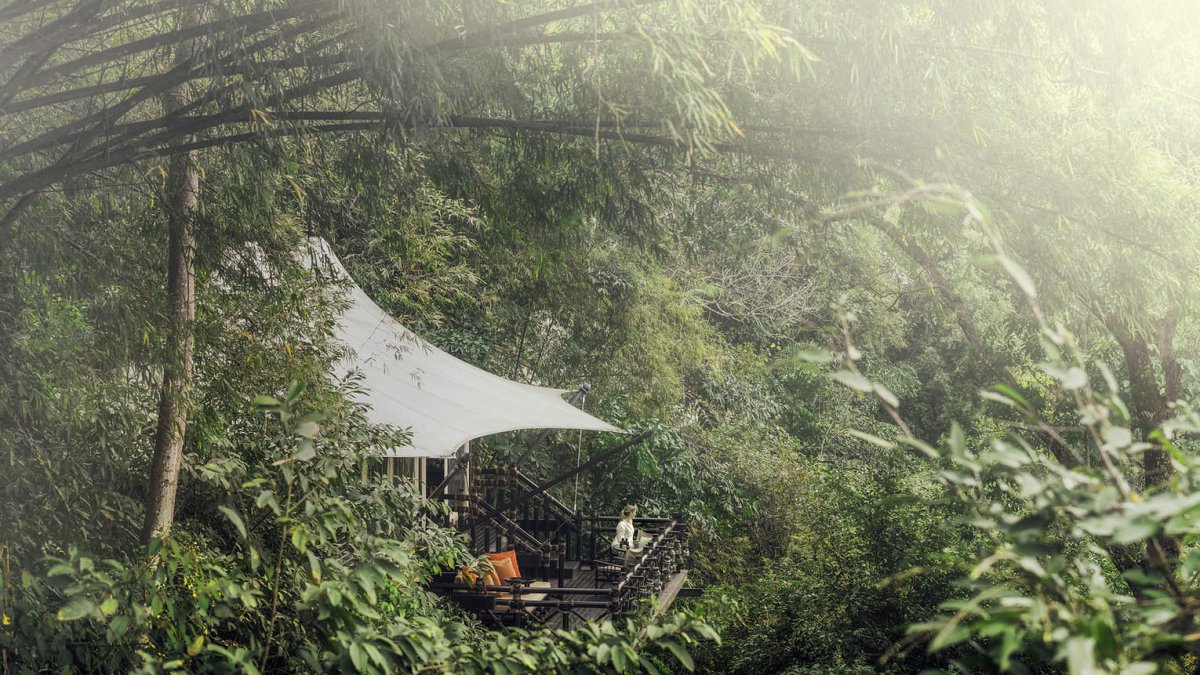
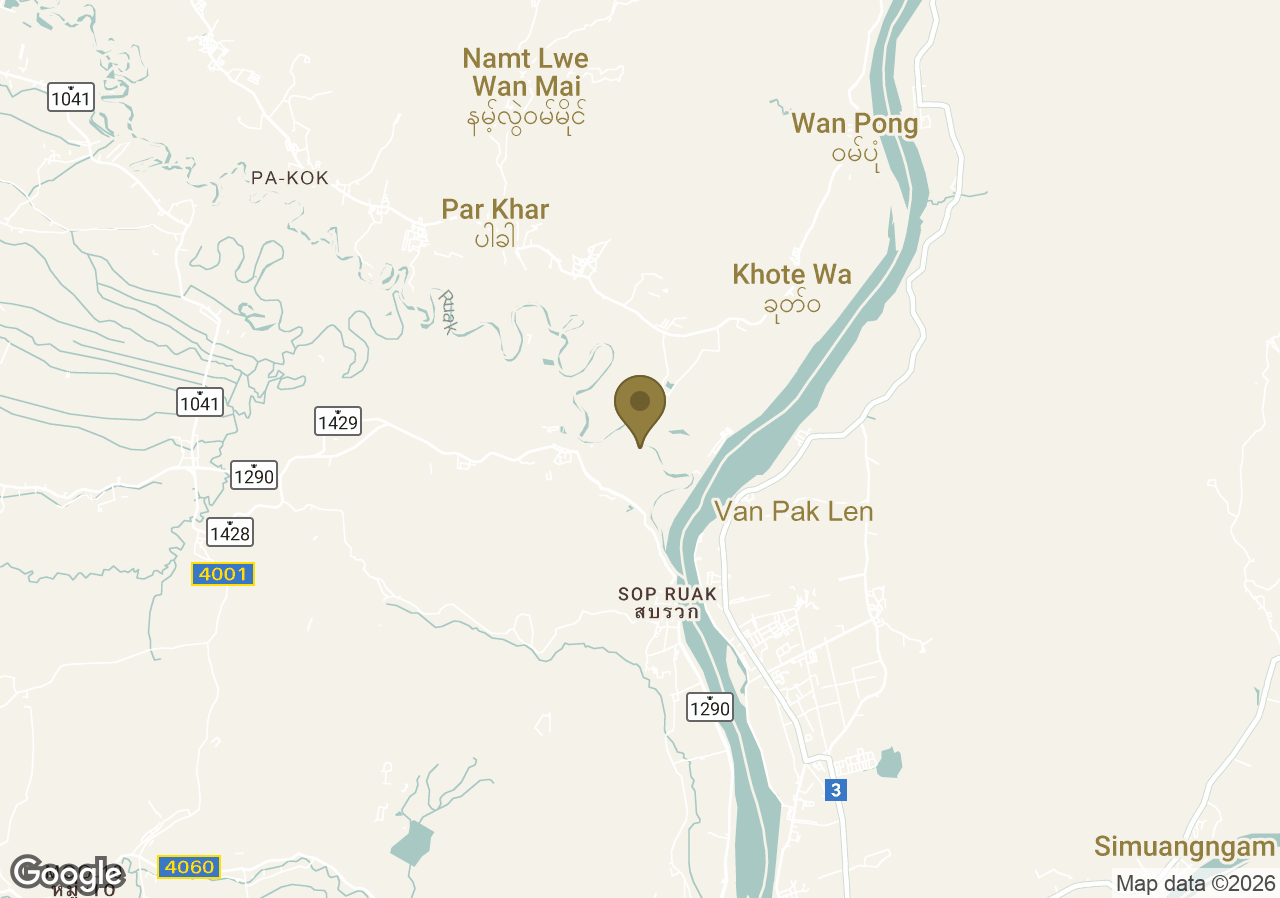
Nestled where Thailand meets Myanmar and Laos at the confluence of the Mekong and Ruak rivers, Four Seasons Tented Camp Golden Triangle channels a safari-style sense of escape without sacrificing comfort. Access typically involves a scenic drive from Chiang Rai followed by a long-tail boat ride to a jungle pier, setting the tone for an off-grid retreat. The camp’s compact scale and elevated vantage points invite slow mornings with misty mountain views and evenings spent listening to the forest.
Tents & Design
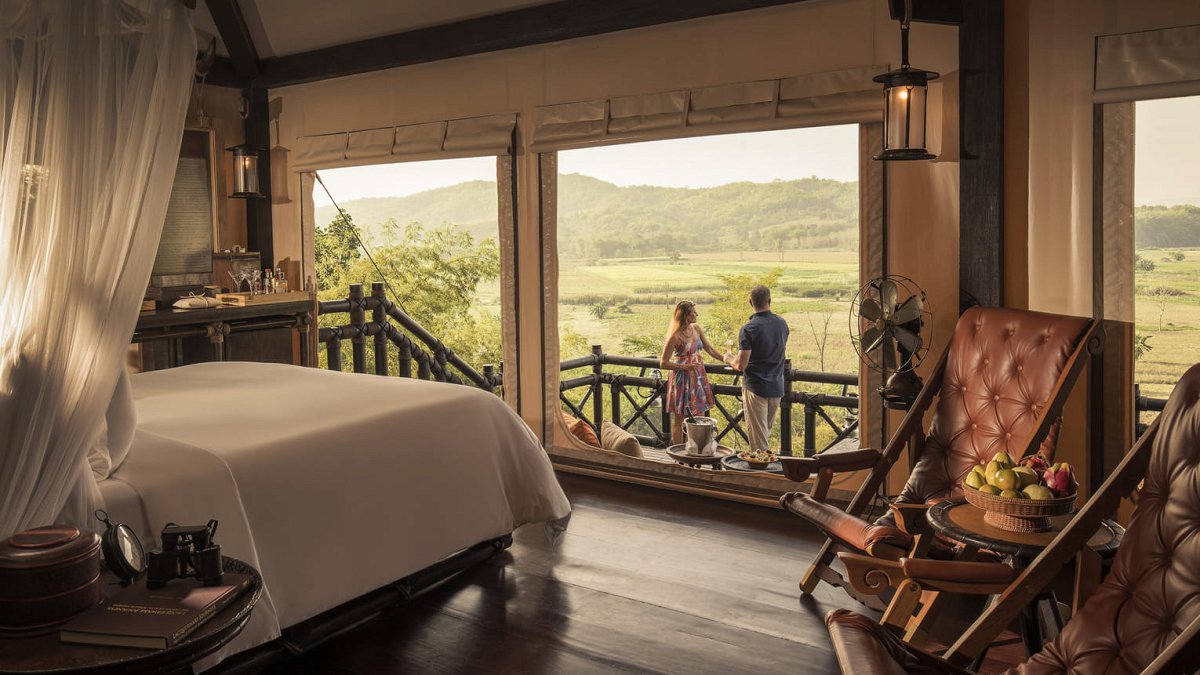
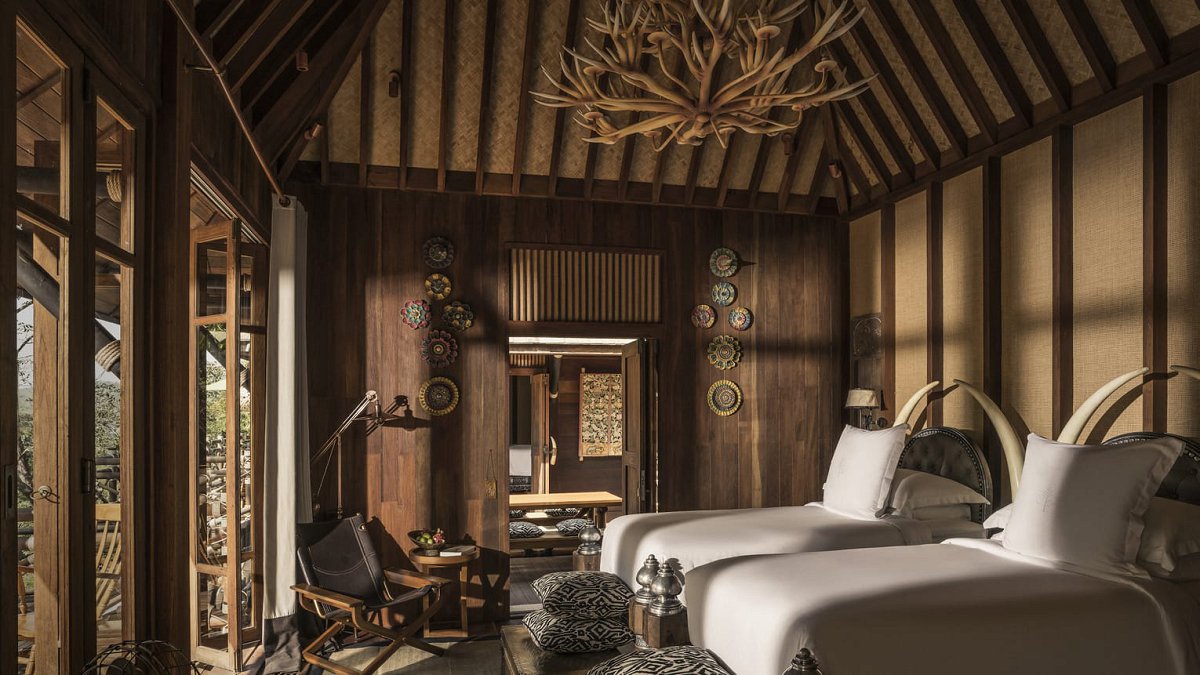
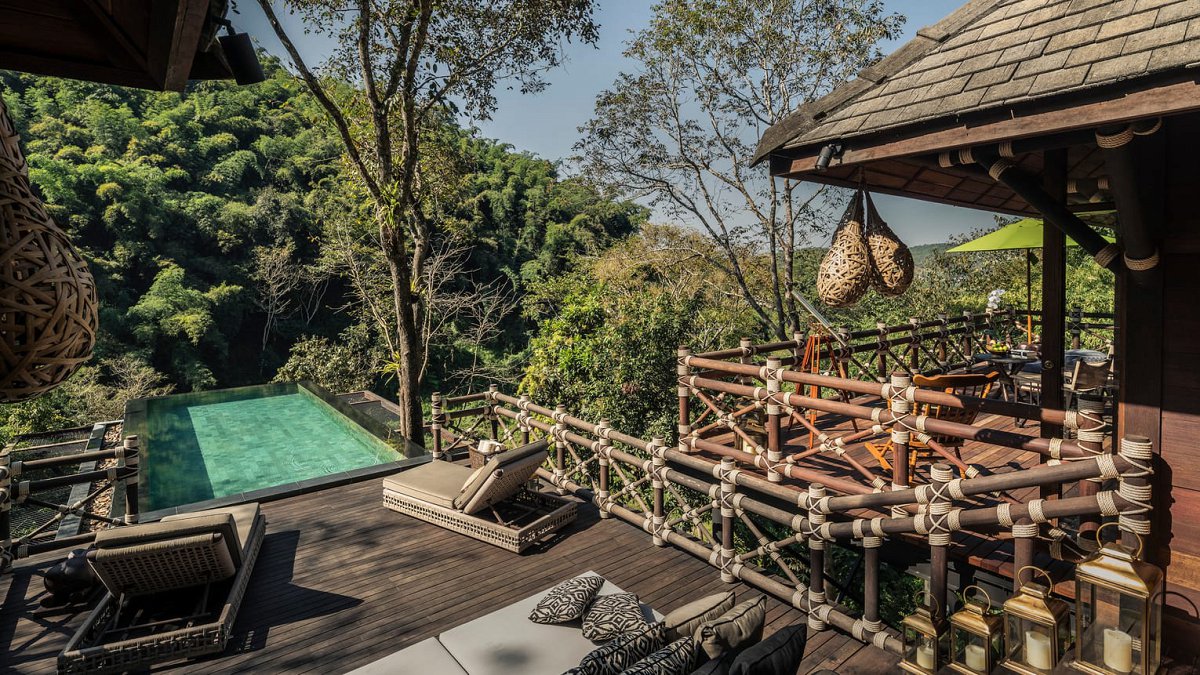
This intimate camp comprises 15 luxury tents and a standalone two-bedroom Explorer’s Lodge, thoughtfully spaced along a forested hillside for privacy. Bill Bensley’s design cues lean into 19th-century expedition romance: hardwood floors, handcrafted leather trunks, and mosquito-netted beds share space with deep soaking tubs. Many tents open to expansive decks; select categories add a custom wooden hot tub on the terrace for sunset soaks. The Explorer’s Lodge ups the seclusion with open-air decks and its own pool, ideal for families or two couples traveling together. Expect a small amount of uphill and downhill walking between common areas and tents; a vintage jeep helps with longer stretches, but sturdy shoes are wise.
Dining & Drinks
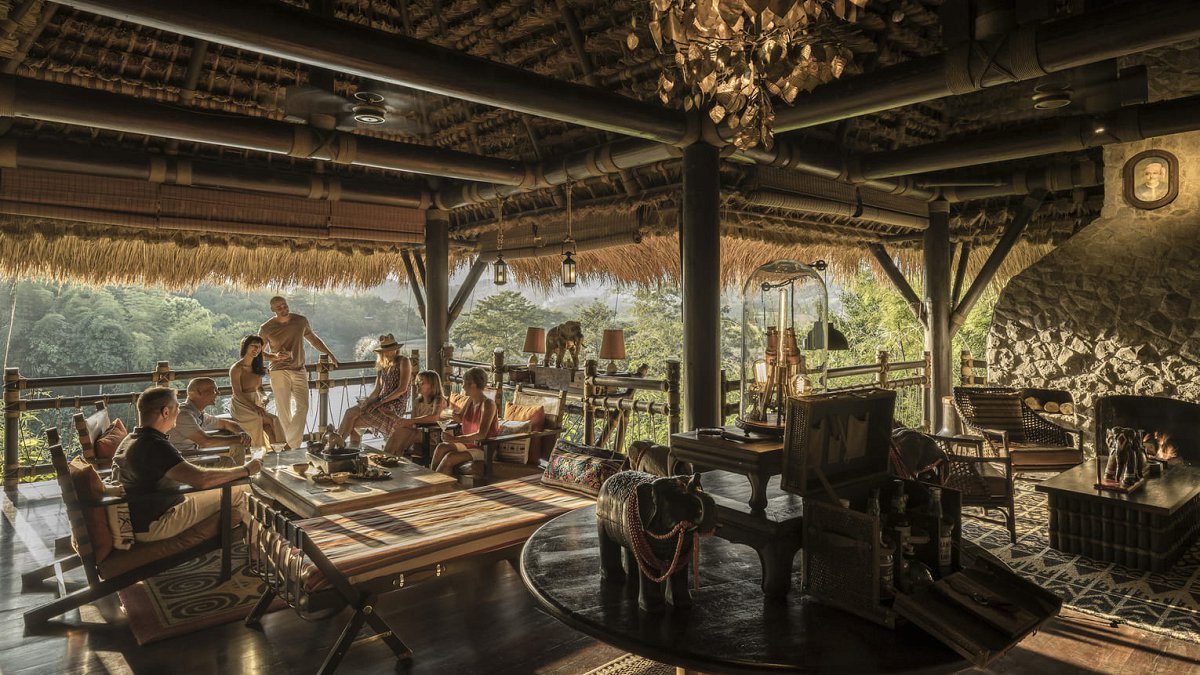
Culinary life centers on Nong Yao, a breezy thatched-roof pavilion serving a mix of Thai, Laotian, and Burmese specialties alongside familiar Western plates. Breakfast can be leisurely and generous; later, rotating menus keep longer stays interesting, with regional staples—from northern-style curries to fragrant salads—well represented. For aperitivo hour, the open-air Burma Bar is the social heart, its sunset outlook over the Ruak basin paired with craft cocktails. A thatched Wine Cellar nearby hosts guided tastings and private pairing dinners that spotlight both international labels and an emerging Thai wine scene. Portions are measured rather than excessive, and service favors thoughtful pacing over ceremony.
Experiences & Excursions
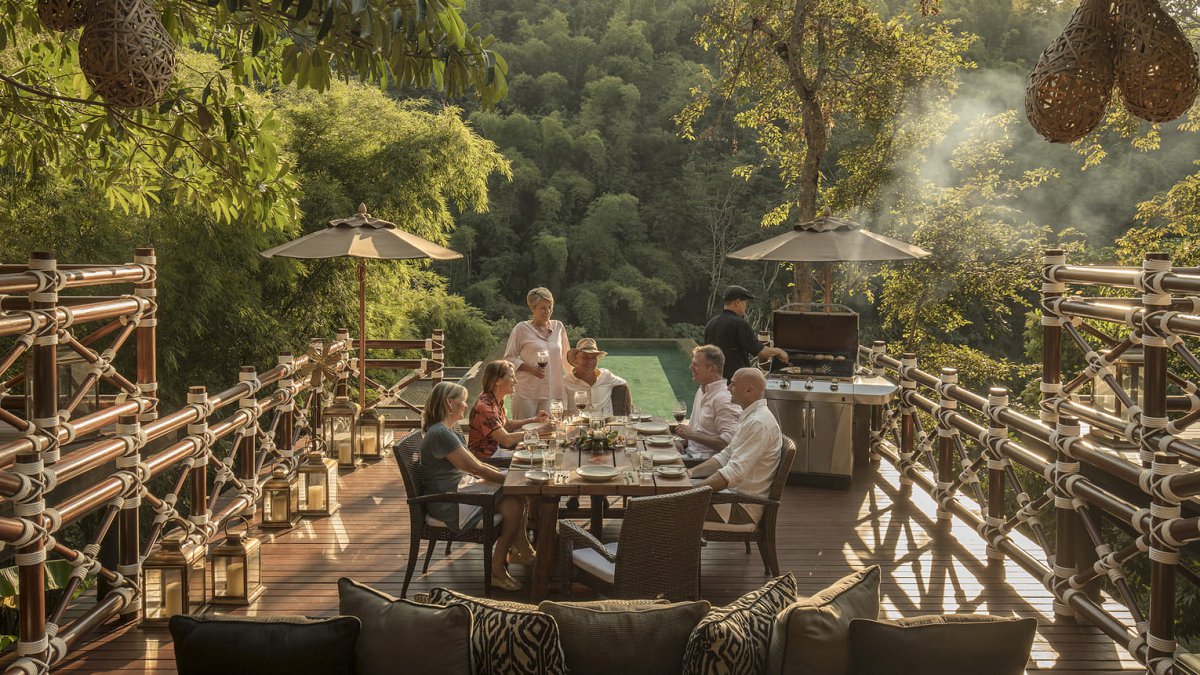
Signature programming revolves around the camp’s partnership with rescued Asian elephants. Guided walks offer calm, respectful observation in natural habitat, while breakfast feedings and river-bath moments add gentle interaction for animal lovers. Beyond the elephants, days fill easily: sunrise viewpoints on forested ridges, birdwatching along bamboo trails, long-tail cruises on the Mekong, or market visits that reveal the region’s Lanna influences. The team can arrange private picnics, Kanthok-style dinners on the camp peak, or even a Champagne sundowner by vintage Land Rover—small-scale touches that keep the adventure feeling personal rather than packaged.
Wellness & Facilities
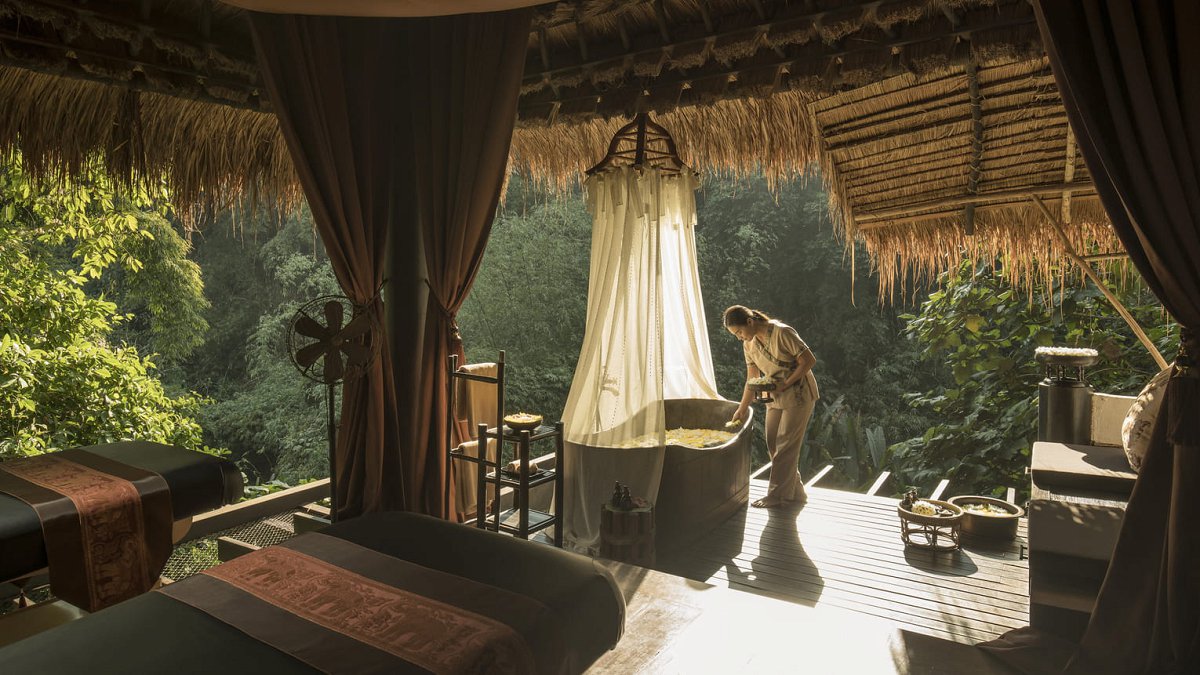
The open-air Spa is tucked amid bamboo, with two salas framing valley views. Treatments draw on local botanicals and regional techniques; the Doi Tung Rejuvenator blends kneading, stretching, and acupressure for travelers adjusting after long flights. Facilities are intentionally modest—there is no gym, and the shaded pool area skews more contemplative than resort-style. That said, the topography supplies its own movement: stairways and paths between tents, bar, and dining areas make for organic exercise, and guided hikes can be tailored to energy levels and heat.
Practicalities, Pace & For Whom
Most stays run on a largely all-inclusive basis that wraps meals, selected drinks, and signature activities into the rate, reducing on-site decisions and letting guests settle into a relaxed rhythm. The jungle setting brings ambient wildlife sounds—and occasionally village festivities—so light sleepers may welcome the earplugs found in the amenity kit. Tents omit televisions by design, swapping screens for soaking tubs, decks, and the nightly pull of the Burma Bar’s horizon. With just a handful of accommodations, service feels personal yet unobtrusive, ideal for couples seeking time together, close friends planning a milestone journey, or nature-minded families comfortable with steps, trails, and a slower cadence.
Verdict
This property distills the Golden Triangle into a thoughtfully curated experience: intimate lodging, grounded food and drink, and meaningful wildlife encounters, all delivered with a light Four Seasons touch. Travelers who value privacy, atmosphere, and a sense of place over marquee amenities will find the balance compelling. Come for two or three nights to disconnect, lean into the rhythm of jungle days and river sunsets, and leave with a clearer sense of this storied corner of Southeast Asia.